The Short Answer: Spring and Fall Win
The best time to visit Washington DC is spring (late March through May) and fall (September through November), when the weather is mild, the tree-lined avenues are at their best, and walking the National Mall is a pleasure rather than an endurance test. Spring is the showstopper — cherry blossoms typically peak around the Tidal Basin from late March to early April — but it's also the most crowded and the priciest. Fall is the quieter favorite: warm days, cool evenings, and thinner crowds once the summer rush clears. Summer is hot, humid, and busy but full of long daylight and extended hours; winter is cold and quiet, with the smallest crowds and the best hotel deals of the year. There's no truly bad season here, only trade-offs between weather, crowds, and price. Here's how each one actually feels on the ground, and how to plan around it.
Spring: Cherry Blossoms and the Year's Biggest Crowds
Spring is when DC shows off. The cherry blossoms typically peak from late March to early April around the Tidal Basin, framing the water in pink and drawing visitors from around the world. Temperatures are comfortable for walking the roughly two-mile stretch of the National Mall from the Capitol to the Lincoln Memorial, and the free Smithsonian museums make easy backups when an April shower rolls through.
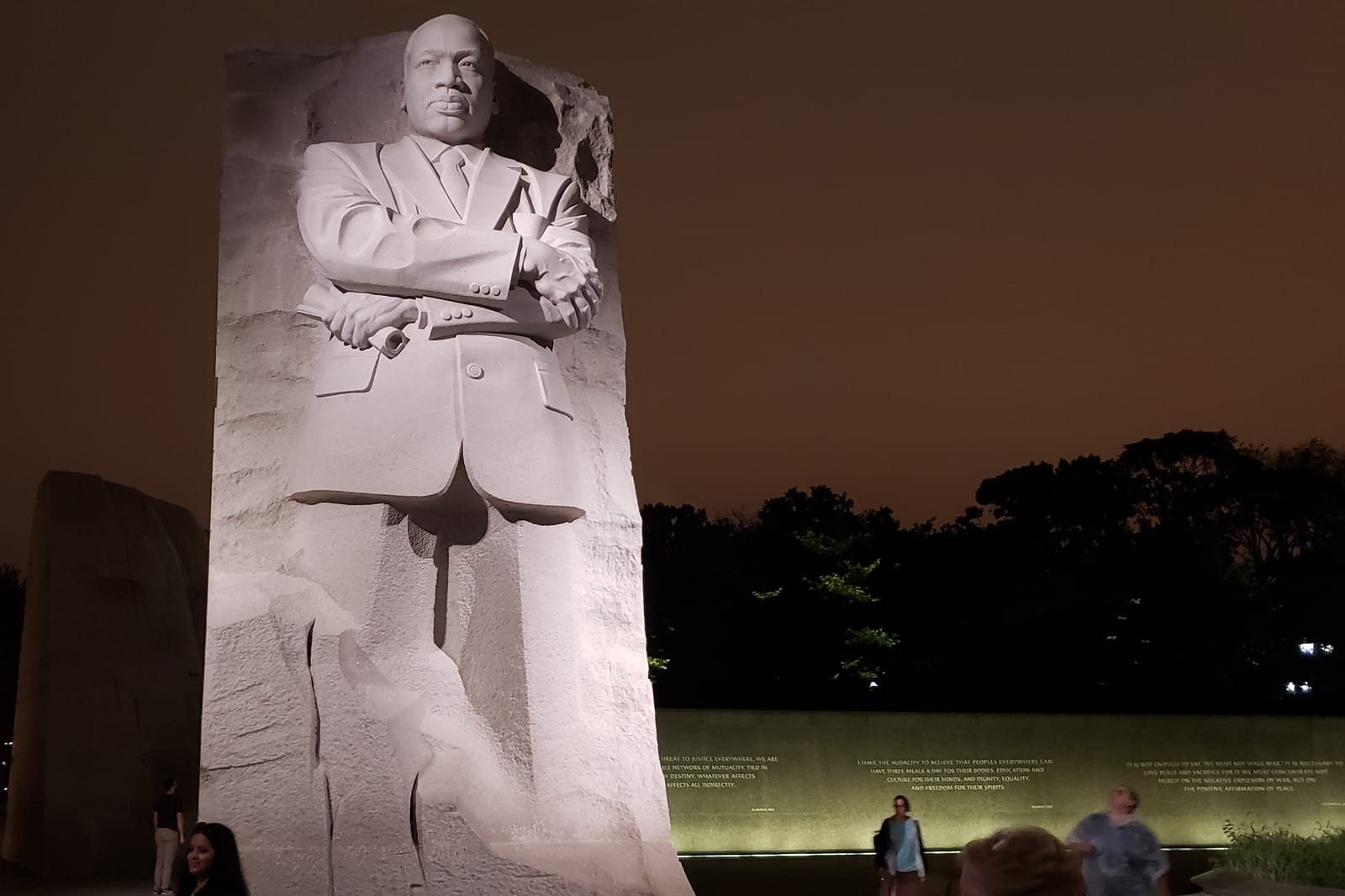
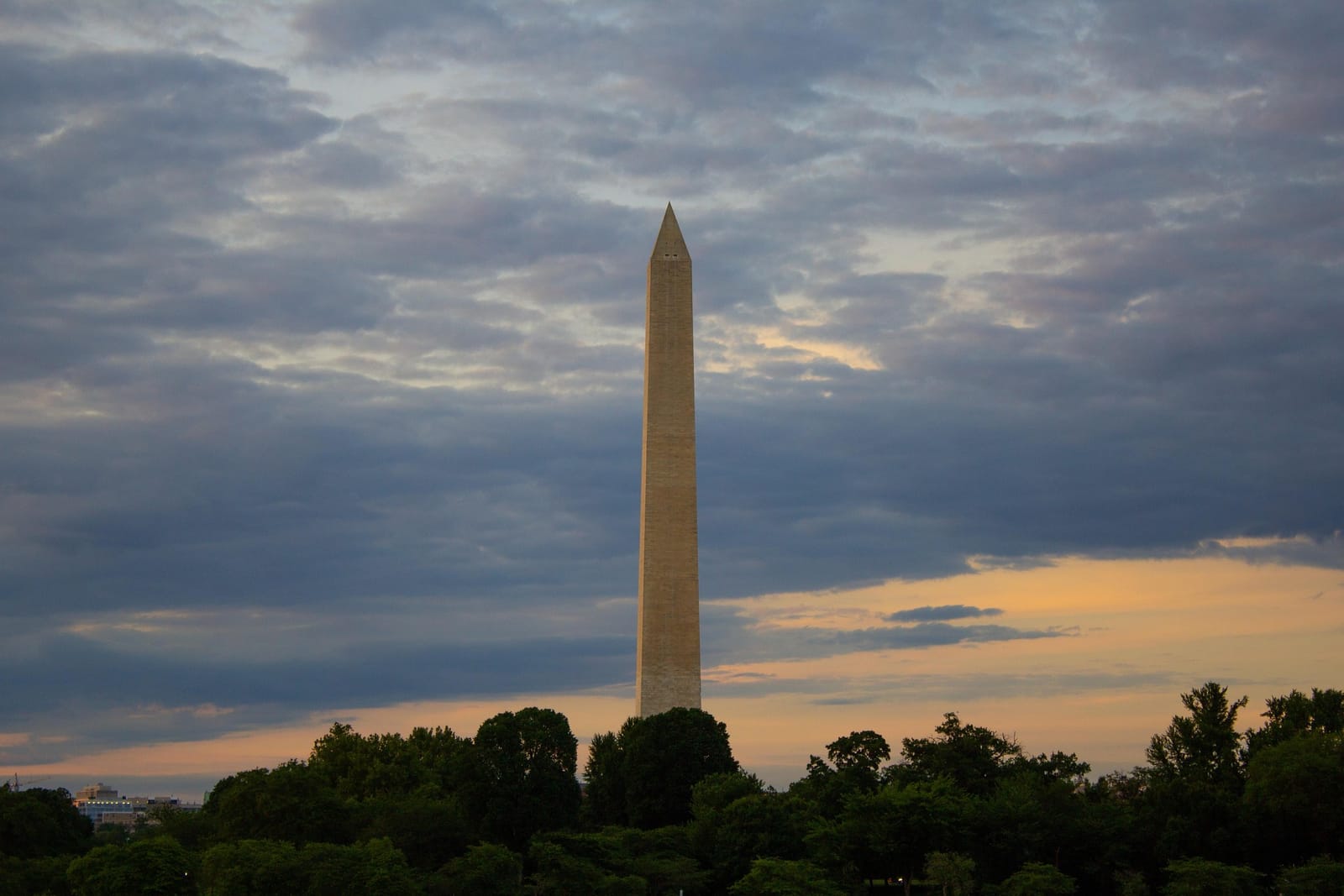
The catch is company: peak bloom is one of the busiest stretches of the DC year, and hotels, restaurants, and ticketed attractions fill up well in advance. If you want to ride to the top of the 555-foot Washington Monument, reserve your timed elevator slot early, because spring tickets go fast — skip-the-line Washington Monument tickets (from $24, 1 hour) bundle entry with a guidebook so you're not gambling on a same-day walk-up. A guided morning is also the smart way to beat the bloom-season crush around the memorials; an early Memorials Guided Walking Tour (from $69.99, 1.5 hours) gets you to the Lincoln, Vietnam, and Korean War memorials before the midday wave arrives.
Summer: Hot, Humid, but Wide Open
DC summers are genuinely hot and sticky — July and August regularly bring humidity that makes midday sightseeing a slog. The upside is everything else: school's-out energy, festivals and free outdoor concerts, the longest daylight of the year, and extended hours at many attractions. At Arlington National Cemetery, just across the Potomac in Virginia, the Changing of the Guard at the Tomb of the Unknown Soldier steps up to every half hour in summer (it's hourly the rest of the year), so you'll rarely wait long to see it. An Arlington Cemetery Guided Tour with Changing of the Guard (from $69.99, 2 hours) covers the cemetery's hills on foot with the context that turns a quiet walk into something memorable — and the shaded sections are a relief on a hot afternoon.
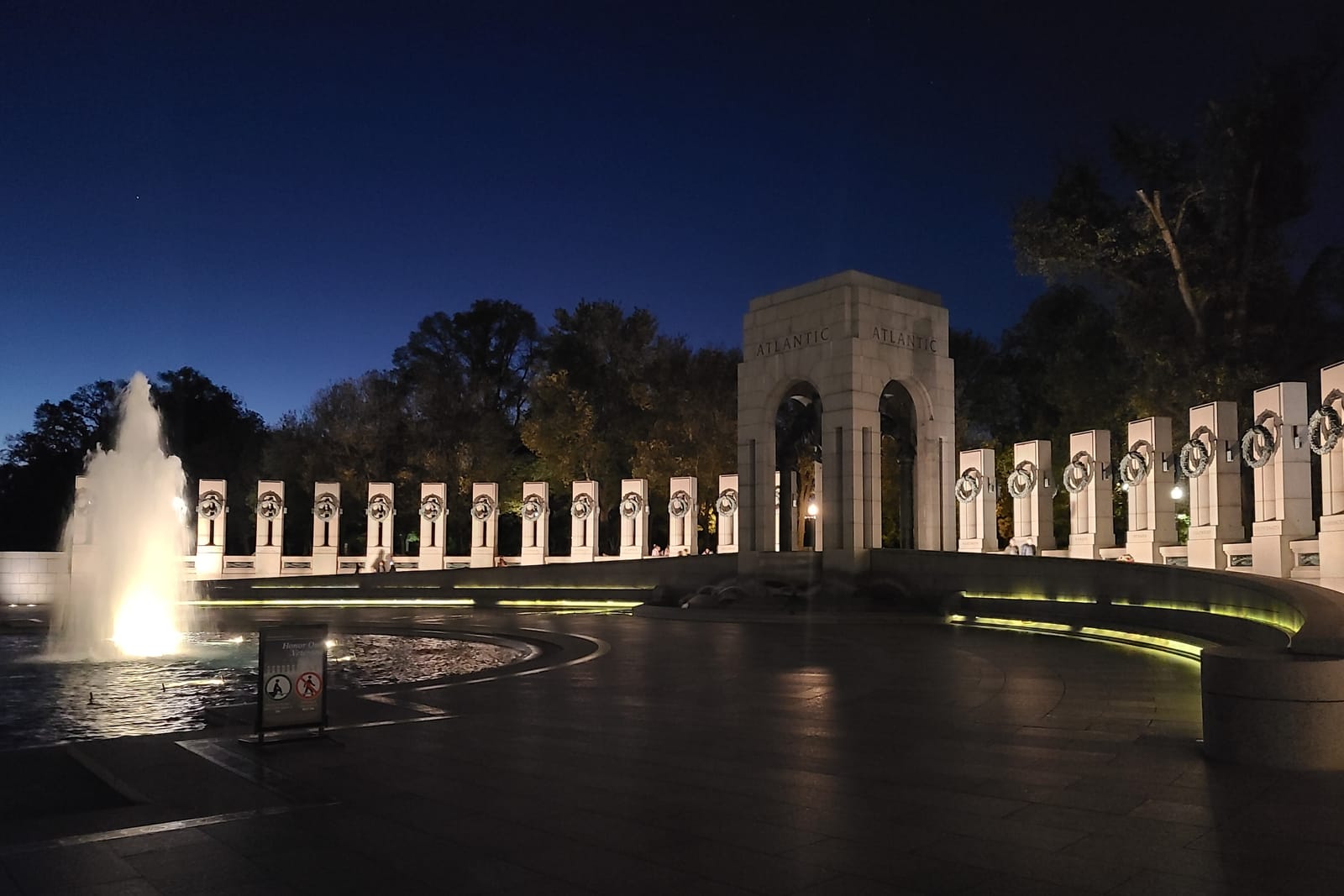
The trick to summer is timing. Do your outdoor walking early or late, and save the middle of the day for the air-conditioned Smithsonian museums. Stay hydrated, and remember the Mall's memorials are open 24 hours and lit at night, which makes after-dark exploring the season's secret weapon.
Fall: The Sweet Spot Locals Keep Quiet
Ask anyone who lives here and many will tell you fall is the best season of all. From mid-September through November the humidity breaks, days turn warm and clear, evenings cool off, and the summer crowds thin out without the spring crush replacing them. The trees along the Mall and through Arlington turn gold and russet, hotel rates ease off their peak, and you can actually get a table.
It's the ideal season for covering ground on foot. This is when a Memorials Guided Walking Tour (from $69.99, 1.5 hours) is at its best — comfortable temperatures, beautiful light, and no heat or bloom-season mob to dodge. Pair it with a Washington Monument visit on a crisp, clear day, when visibility from the top stretches the farthest. If your dates are flexible and crowds are your enemy, late September through early November is the answer.
Winter: Cold, Quiet, and the Best Deals
Winter is DC at its most affordable and least crowded. December brings holiday lights and the National Christmas Tree near the White House, while January and February are genuinely cold — pack layers — but reward you with short museum lines, easy restaurant reservations, and the lowest hotel rates of the year. The free Smithsonian museums become the heart of a winter itinerary, and the memorials are quietly beautiful under bare trees.
Just dress for it and keep outdoor stretches shorter. The Changing of the Guard at Arlington runs every hour through the winter, and the ceremony's solemnity feels even more striking on a cold, still morning. If you don't mind the chill, you'll have some of DC's grandest sights nearly to yourself.
The Best Time of Day, Whatever the Season
Season aside, early morning and evening are when DC is at its finest. Mornings give you soft light and empty plazas before the tour groups and school trips arrive. Evenings are the real prize: the memorials on the Mall are open 24 hours and lit after dark, and seeing the Lincoln Memorial glow over the Reflecting Pool with a fraction of the daytime crowd is unforgettable. In summer, an after-dark walk is also the coolest, most comfortable way to see them. A Night Memorials Walking Tour leans into exactly that — the illuminated monuments, the stories, and the calm of the Mall after sunset.
Getting around is simple in any season. The Metro's Smithsonian station drops you right at the Mall, and Arlington National Cemetery has its own stop (Arlington Cemetery, Blue Line), so you can skip parking entirely.
How to Plan Around the Weather
Pick your season by priority. Want the cherry blossoms? Aim for late March to early April and book everything — hotels, monument tickets, tours — well ahead. Want great weather with fewer people? Choose fall. Traveling on a budget? Winter wins. Don't mind the heat if it means long days and lively streets? Summer delivers.
Whenever you come, a little sequencing goes a long way: reserve timed Washington Monument tickets before you arrive, do your outdoor walking at the cool ends of the day, and lean on the free Smithsonian museums when the weather turns. For help building your days around the seasons, our trip planner lines up tours, timing, and must-sees so the only thing left to do is show up.
Frequently asked questions
What is the best month to visit Washington DC?+
When do the cherry blossoms peak in Washington DC?+
How long does the Arlington Cemetery tour take?+
Is it worth seeing the DC memorials at night?+
Book These Tours
Plan your day in Washington DC
Build a non-overlapping day of monument tours, memorials, and Arlington — then book it all in one checkout.
Open the DC Day Planner →