Yes — winter is one of the best times to visit Washington DC. From December through February, the National Mall trades its peak-season congestion for quiet, blue-sky walks between the monuments. You can stand almost alone at the Lincoln Memorial in the early light, photograph the Washington Monument with no crowd in the frame, and book a tour without the cherry-blossom-season scramble. Winter also overlaps with the holiday season, so festive lights and seasonal markets can slot neatly into the same trip. The cold is real, but so is the payoff: shorter lines, easier tickets, and a capital that feels genuinely yours.
Why Winter Is the Best-Kept Secret in DC
Most visitors aim for spring, when cherry blossoms typically peak around the Tidal Basin from late March into early April and the Mall fills shoulder to shoulder. Winter is the opposite experience. The same iconic views are still here, only calmer, and the bare trees and low, golden sun deliver some of the year's clearest photography. Attractions that require timed entry are far easier to get into, guided groups run smaller and more personal, and you rarely wait in line. Off-season travel also tends to be gentler on a budget than the spring and summer peaks. If you have only seen DC in a summer crush of school groups, a winter visit feels like a different, more reflective city — one you can actually slow down and read.
Walking the Memorials When the Crowds Are Gone
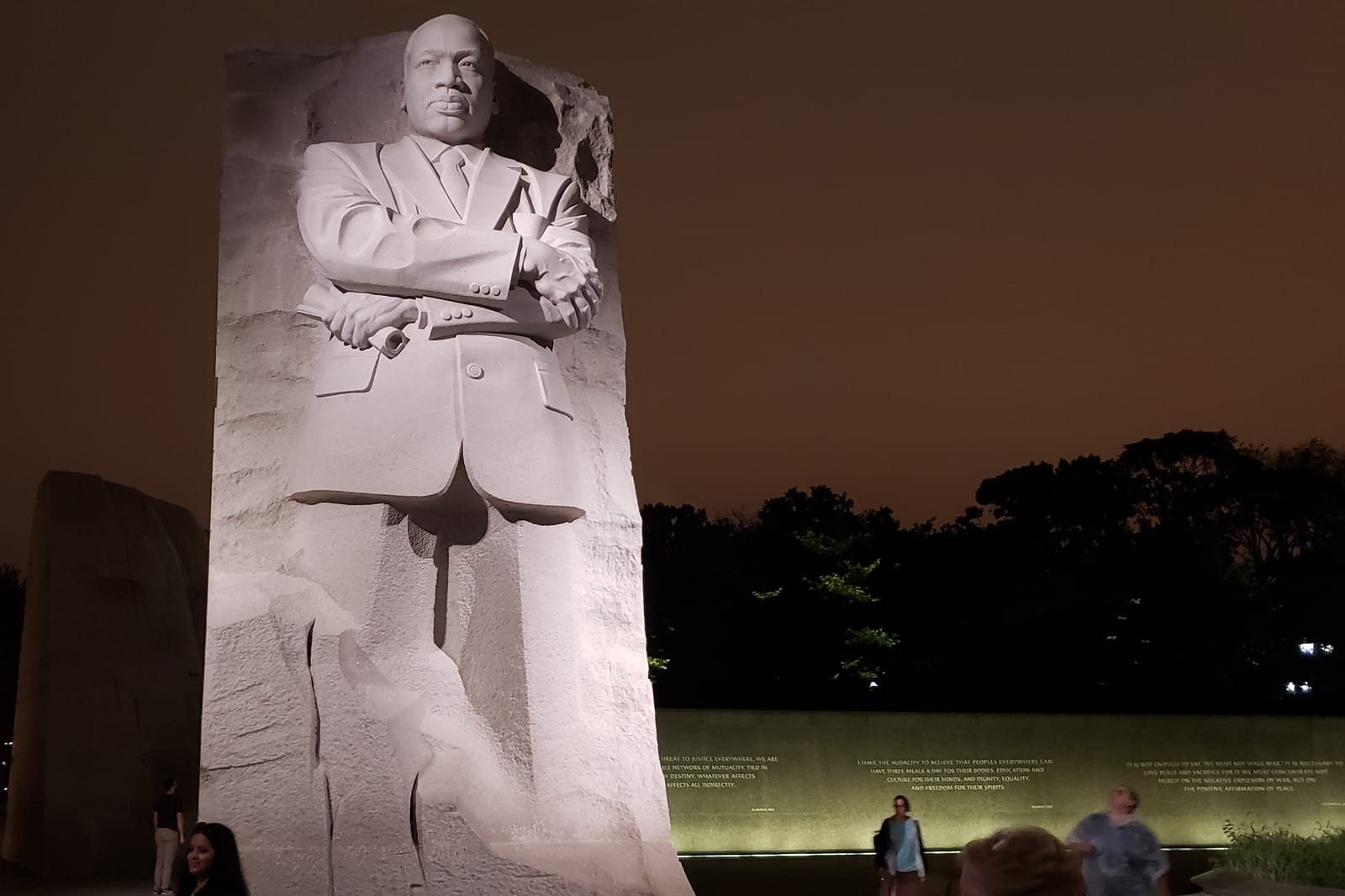
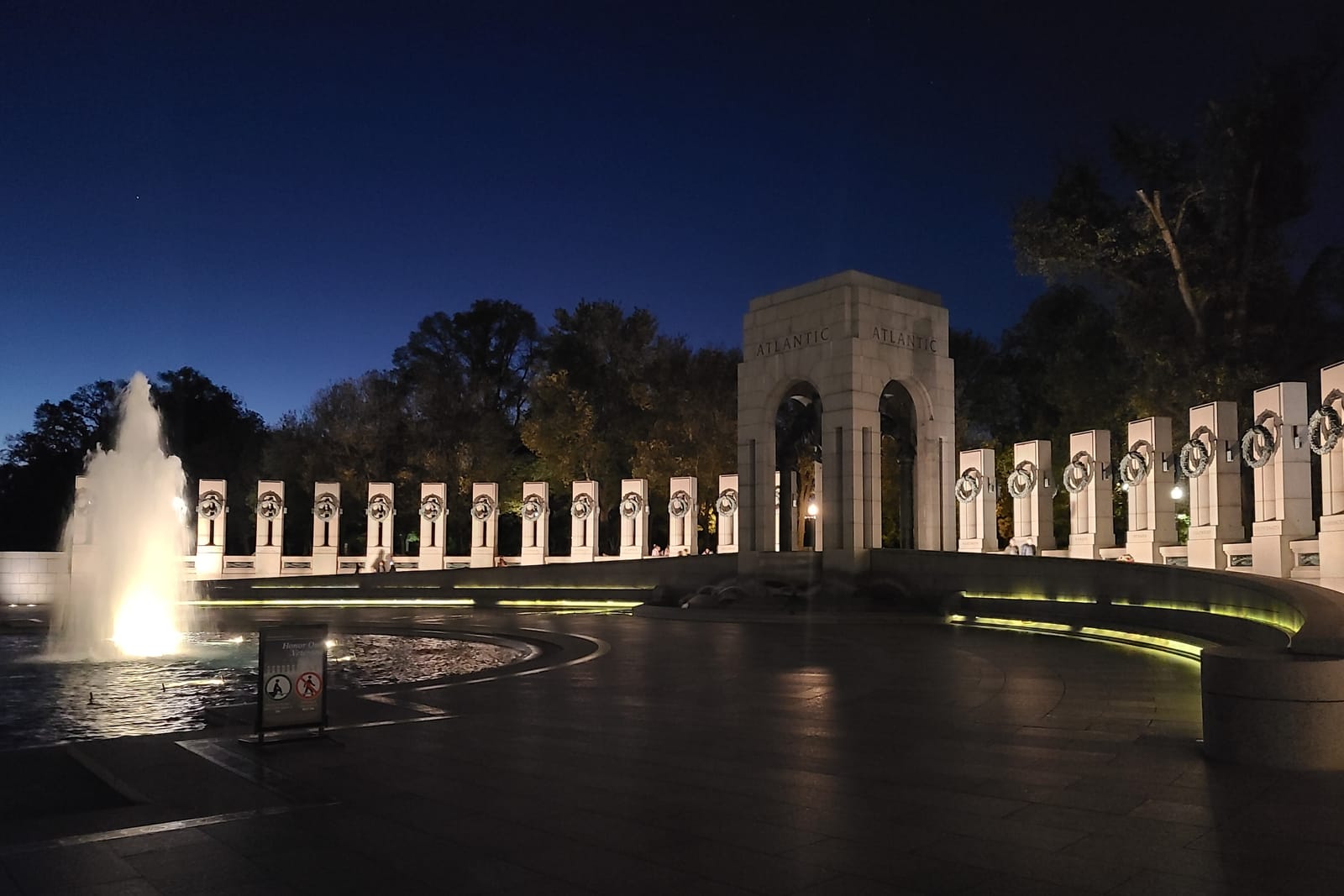
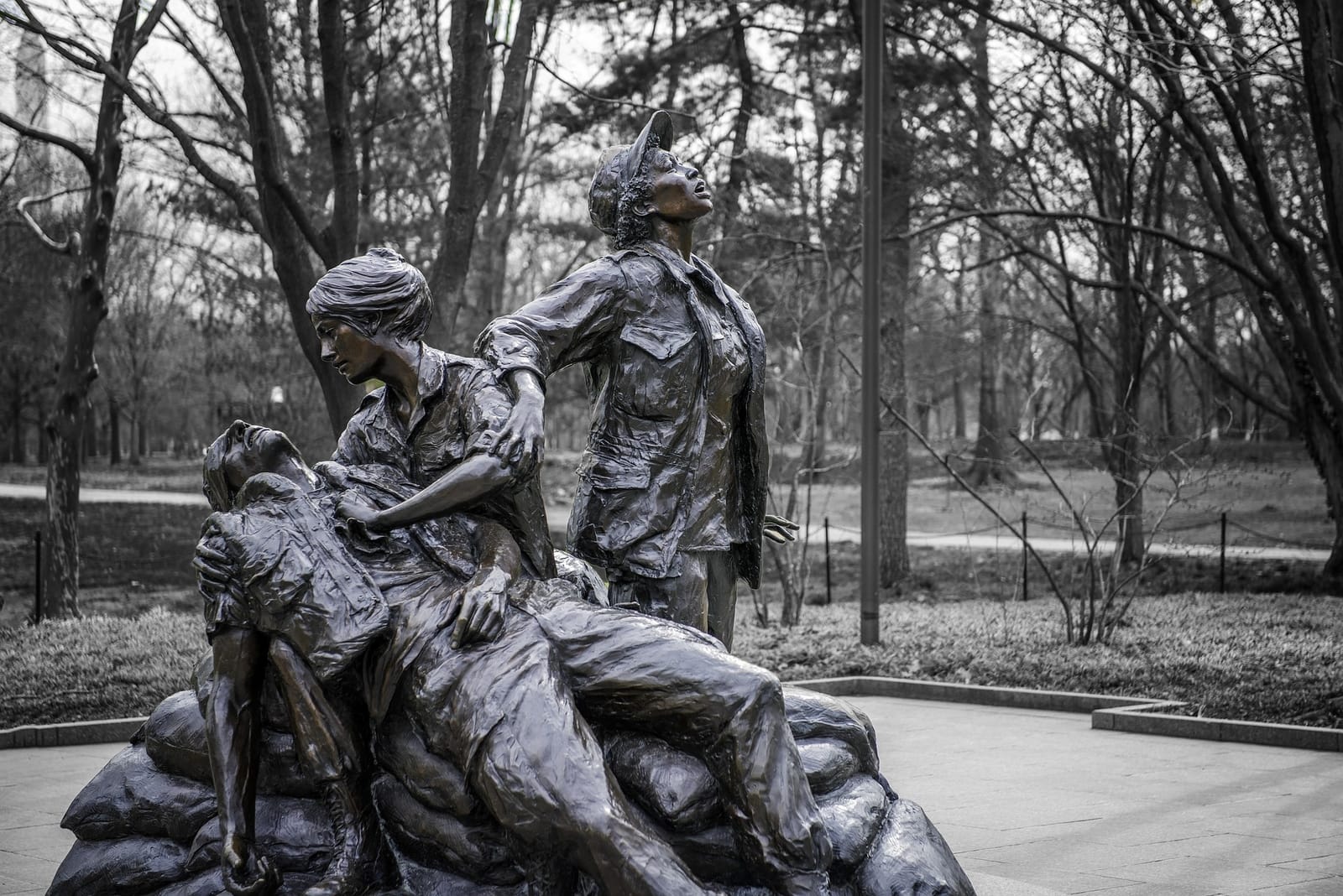
The heart of any DC trip is the open-air stretch of memorials, and winter is made for walking them. The National Mall runs about two miles from the U.S. Capitol to the Lincoln Memorial, taking in the World War II Memorial, the Korean War and Vietnam Veterans Memorials, and the Martin Luther King Jr. Memorial along the way. It is a lot of ground, and the stories behind each site are easy to miss on your own. A guided Washington DC Memorials Guided Walking Tour, from $69.99 and about 1.5 hours, keeps you moving at a comfortable pace while a local guide threads the monuments into one narrative — so you stay warm, oriented, and learning rather than wandering and shivering between stops.
Climbing the Washington Monument
At 555 feet, the Washington Monument is the tallest structure on the skyline, reached by a timed, ticketed elevator to the observation level. Winter is the easiest season to actually get up there: the timed passes that are hardest to land in peak months tend to be far more available once the crowds thin out. The reward is a clear, crisp panorama down the length of the Mall — the kind of long-distance view that cold winter air delivers best. If a trip to the top is on your list, plan ahead for Washington Monument tickets and aim for a morning slot when the light is sharpest.
Arlington National Cemetery and the Changing of the Guard
Just across the Potomac in Virginia, Arlington National Cemetery is profoundly moving in winter, when frost or a light dusting of snow settles over the rows of white headstones and the grounds fall almost silent. The centerpiece is the Changing of the Guard at the Tomb of the Unknown Soldier, performed every hour in the colder months (and every half hour in summer). The cemetery is large, hilly, and easy to misjudge on foot, which is why the Arlington Cemetery Guided Tour with Changing of the Guard, from $69.99 and about 2 hours, is the most efficient way to see it — a guide handles the route and timing so you reach the Tomb exactly as the ceremony begins. Arlington has its own Metro stop, Arlington Cemetery on the Blue Line, making it a simple add-on to a Mall day.
Monuments After Dark
One quiet advantage of winter is the early sunset. The memorials on the Mall are lit at night and stay open 24 hours, so you can experience them glowing in the dark without staying out until midnight. The Lincoln Memorial, the reflecting pool, and the Washington Monument all take on a different, more solemn character after dark, and crisp, dry winter nights keep the lit marble looking sharp against a black sky. Bundled up against the cold, an evening Night Memorials Walking Tour trades daytime sightseeing for atmosphere — fewer people, softer light, and a guide to point out the details the dark would otherwise hide.
Indoor Warm-Ups: Free Smithsonian Museums
Winter walking is best in stretches, with warm breaks built in — and DC makes that effortless. The Smithsonian museums clustered along the Mall are free, year-round, so you can duck inside to thaw out, see world-class collections, and step back out without spending a dime on admission. The Air and Space Museum, the National Museum of Natural History, and the National Museum of American History are all within easy reach of the memorial route, and there are more than a dozen Smithsonian museums and galleries across the city, so a single cold afternoon barely scratches the surface. A winter itinerary naturally alternates between brisk outdoor walks and warm indoor galleries — a flexible rhythm that keeps the day comfortable for every age and makes it easy to wait out a passing cold snap.
Getting Around and What to Wear
Layers are the secret to enjoying DC in winter: a warm coat, a hat, gloves, and genuinely comfortable, broken-in walking shoes, since you will cover real distance on hard pavement. The Metro is your friend — the Smithsonian station is the closest stop to the Mall, and Arlington Cemetery has its own station on the Blue Line. Winter days are short, with the sun dropping in the late afternoon, so build your outdoor highlights into the brightest hours and save indoor stops for the edges of the day. Plan to start outdoor walks mid-morning, once the chill eases, and wrap up before the early dark unless you are out for a night tour. For help shaping a cold-weather itinerary around guided walks and free museums, see our trip planning guide and pick the tours that fit your days.
Winter in Washington DC asks for a warm coat and rewards you with the capital at its quietest and most photogenic. Pair a guided memorials walk with an Arlington visit, warm up in the free Smithsonians, and let the early sunset turn the monuments into something you will not forget.
Frequently asked questions
Is winter a good time to visit Washington DC?+
How long does the Arlington Cemetery tour take?+
Are the DC monuments open at night in winter?+
Are the Smithsonian museums free in winter?+
Book These Tours
Plan your day in Washington DC
Build a non-overlapping day of monument tours, memorials, and Arlington — then book it all in one checkout.
Open the DC Day Planner →