Here's the short version: most of the best things to do in Washington DC are free. The Smithsonian museums, every memorial on the National Mall, the cherry blossoms around the Tidal Basin, and the Changing of the Guard at Arlington National Cemetery don't cost a cent. You can spend three full days in the capital and never buy a ticket. So before you start budgeting for attractions, understand that DC is built to be explored on foot and on a shoestring, and the handful of things actually worth paying for are paid for a reason: they save you time, give you context, or get you somewhere you can't easily reach on your own.
This guide walks through the genuinely great free stuff first, then gets honest about the few experiences where spending a little money makes the day better.
The Smithsonian Museums Are All Free
This is the headline. Every Smithsonian museum is free to enter, with no timed ticket required for most of them, and they cluster right along the National Mall. The National Air and Space Museum, the National Museum of Natural History, the National Museum of American History, and the National Museum of African American History and Culture are all walkable from one another. You will not get through all of them in a day, so don't try. Pick two, go slowly, and break for lunch. A realistic plan is one big museum in the morning, the Mall and memorials in the afternoon.
The closest Metro stop to this whole stretch is Smithsonian station, which drops you out almost on the grass of the Mall itself. From there, everything is on foot.
Walk the National Mall and the Memorials
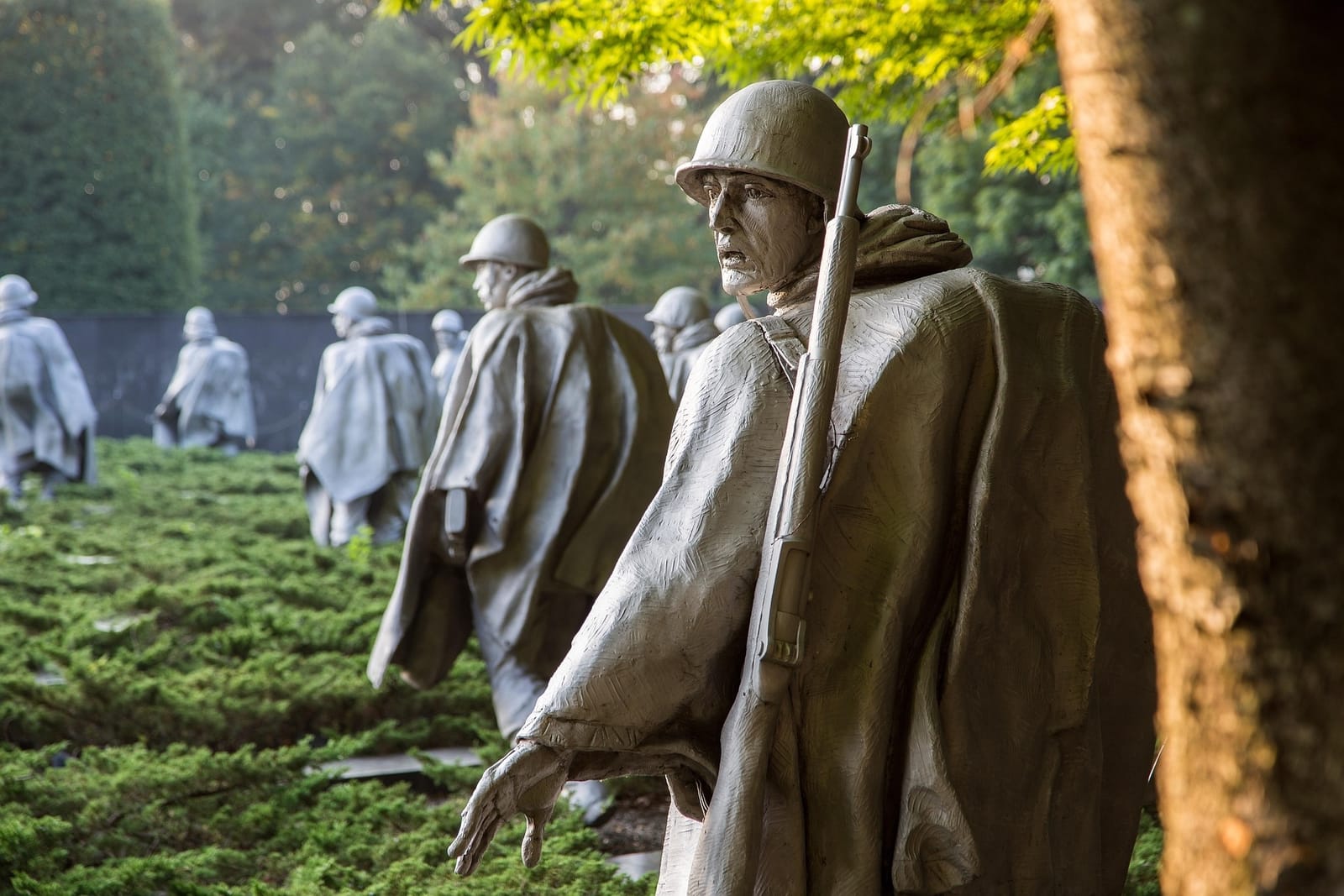
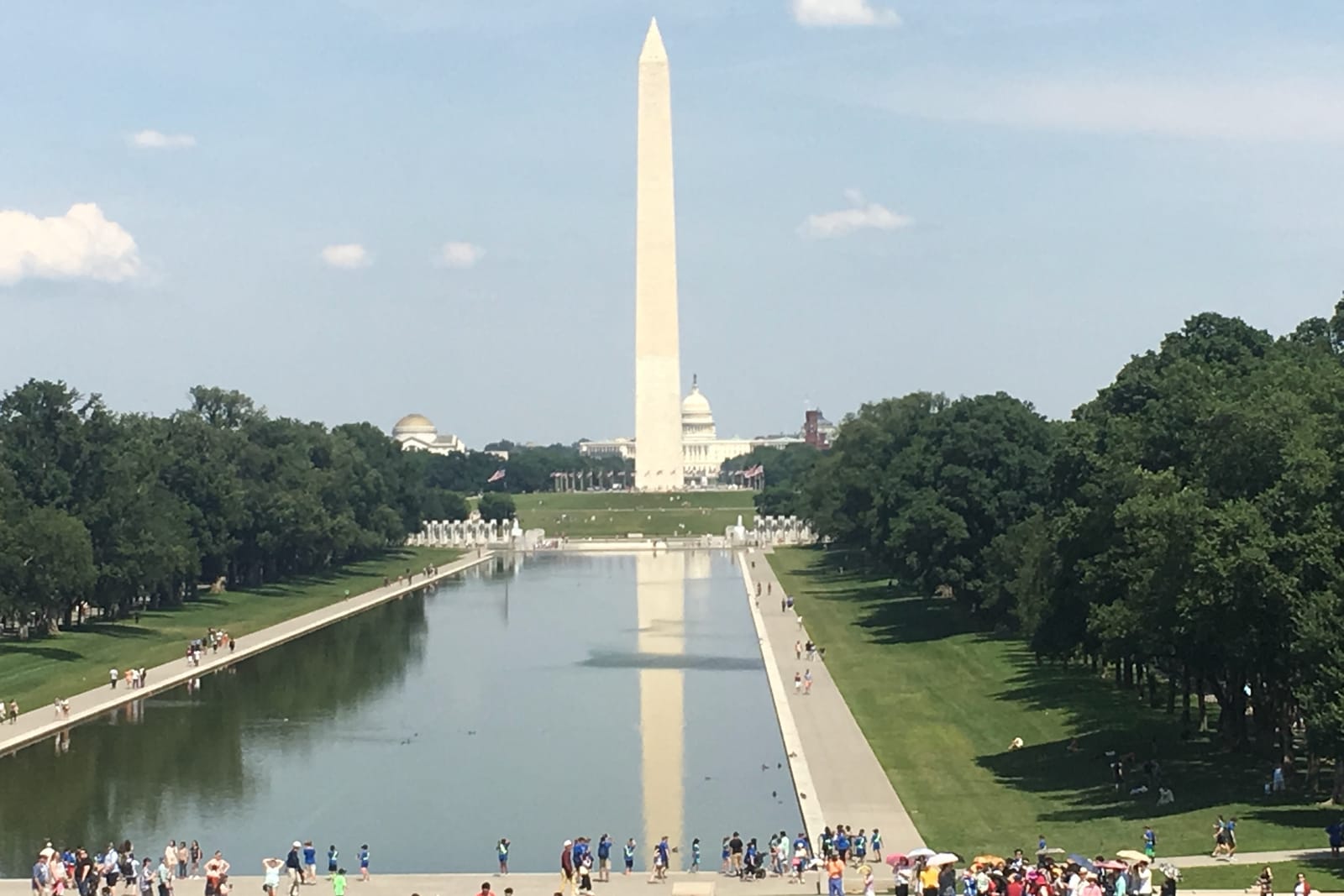
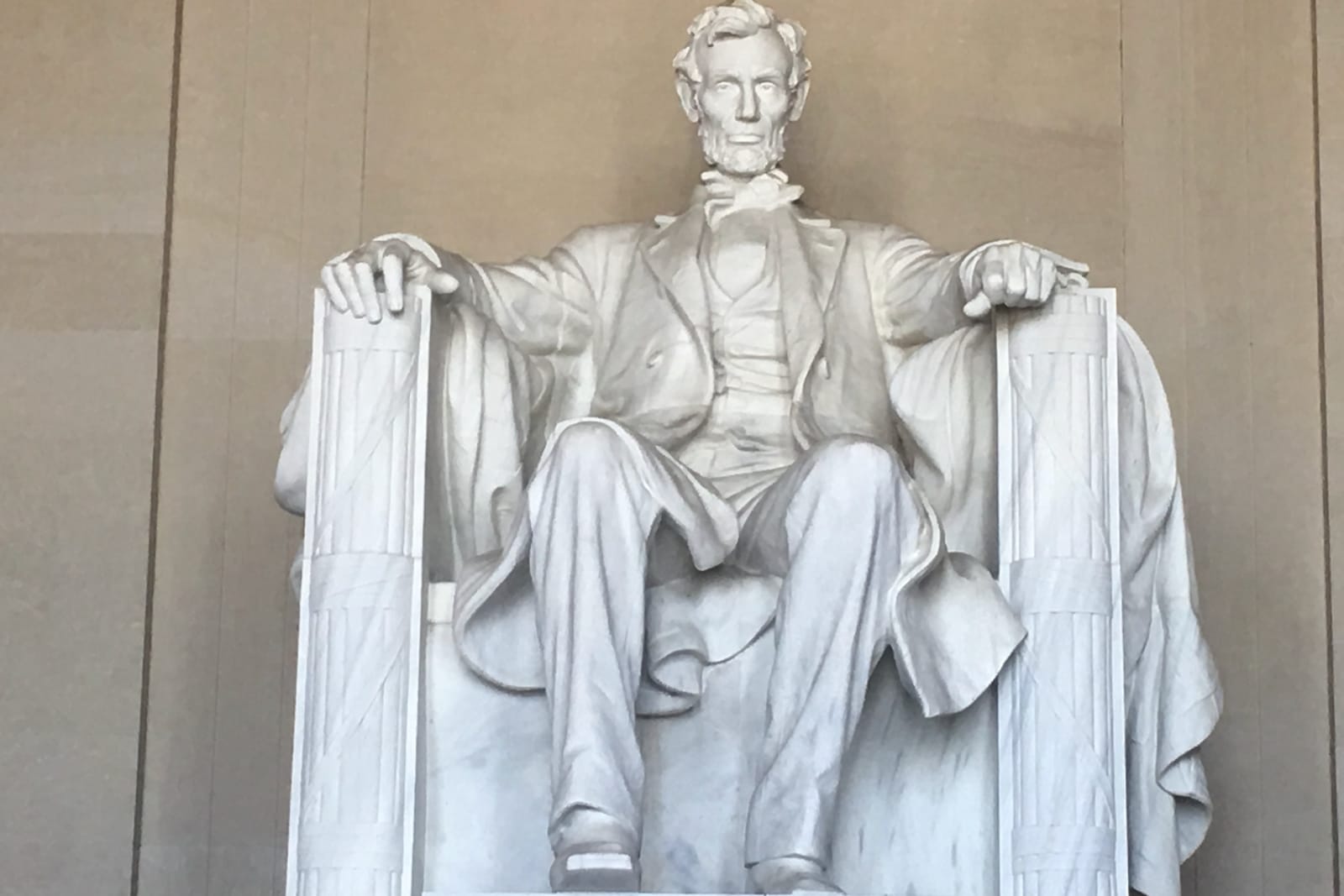
The National Mall runs about two miles from the U.S. Capitol at one end to the Lincoln Memorial at the other, and walking it is the single best free thing to do in Washington DC. Along the way you pass the Washington Monument, the World War II Memorial, the reflecting pool, and the Lincoln Memorial, with the Vietnam Veterans Memorial, Korean War Veterans Memorial, and Martin Luther King Jr. Memorial just off the central path. The memorials on the Mall are open 24 hours and lit at night, which matters more than people expect.
Here's the local tip: the memorials are far more powerful after dark. The crowds thin out, the marble glows, and the Lincoln Memorial looking back toward a lit Washington Monument is one of the great views in America — and it costs nothing. If you'd rather not navigate it alone in the evening, a guided night memorials walk handles the route and the stories for you, but the memorials themselves are always free to visit on your own time.
During the day, the layout can be deceiving. The Mall looks compact on a map and is genuinely tiring to cover, especially in summer heat. If you want the history without backtracking or guessing which memorial honors what, the Washington DC Memorials Guided Walking Tour (from $69.99, about 1.5 hours) connects the major monuments into one story with a guide. It's a paid option layered on top of a free space, and that's the honest trade: you're paying for context and a route, not access.
See the Cherry Blossoms (If Your Timing Is Right)
If you're visiting in spring, the cherry blossoms around the Tidal Basin are the most beautiful free thing in the city. Peak bloom typically lands late March to early April, though it shifts year to year with the weather. The trees ring the water near the Jefferson Memorial and the Martin Luther King Jr. Memorial, so you can fold blossom-viewing into a Mall walk without any extra stop. Go early in the morning if you can, both for the soft light and to beat the crowds, which are substantial during peak week.
Arlington National Cemetery and the Changing of the Guard
Just across the Potomac in Virginia, Arlington National Cemetery is free to enter, and the Changing of the Guard at the Tomb of the Unknown Soldier is one of the most moving free experiences near DC. The ceremony happens every hour, and every half hour in the summer months, performed with a precision worth planning your visit around. Arlington has its own Metro stop — Arlington Cemetery on the Blue Line — so it's easy to reach without a car.
The catch is the terrain. Arlington is large, hilly, and spread out, and the distances between the Tomb of the Unknown Soldier, the Kennedy gravesites, and other points add up fast on foot. Walking in is free; if you'd rather not hike the hills, an Arlington Cemetery tour covers the grounds and the major sites with transport between them. Either way, the cemetery and the ceremony cost nothing to witness.
What's Actually Worth Paying For
Most of DC is free, but a few things earn their price tags. The clearest example is the Washington Monument. It's 555 feet tall, and the only way up is a timed ticketed elevator to the observation level, where you get a panorama over the whole city. Free same-day passes are limited and go fast, which is exactly why prebooked skip-the-line Washington Monument tickets (from $24, about 1 hour) are worth it: you're paying to guarantee you actually get to the top instead of gambling on a sold-out morning. The included guidebook adds the backstory most visitors miss.
The other thing worth paying for is time. A guided memorials or Arlington tour doesn't unlock anything you couldn't see yourself, but on a tight trip it removes the navigation, the wrong turns, and the question of which memorial you just walked past. If you have days to spare, do it free and slow. If you have one afternoon, a guide is money well spent.
A Smart Free-Plus-Paid Day
Here's how it fits together. Morning: ride the Metro to Smithsonian station and spend two or three hours in one museum, free. Midday: walk the Mall toward the Lincoln Memorial, free, pausing at the WWII and Vietnam memorials. Afternoon: book ahead and ride the elevator up the Washington Monument for the city view — the one ticket genuinely worth buying. Evening: come back to the memorials after dark when they're lit and quiet, free again, or join a guided night walk if you'd rather have company and the stories.
You can map your own version on our trip planner, but the principle holds: let the free city carry most of your itinerary, and spend only where time, access, or context is worth the money.
Frequently asked questions
What are the best free things to do in Washington DC?+
Are the Smithsonian museums really free?+
Do you have to pay to go up the Washington Monument?+
Can you visit the DC memorials at night?+
Book These Tours
Plan your day in Washington DC
Build a non-overlapping day of monument tours, memorials, and Arlington — then book it all in one checkout.
Open the DC Day Planner →