The short answer: to be within walking distance of the National Mall, book a hotel in Penn Quarter, downtown near Metro Center, the Southwest Waterfront and The Wharf, Foggy Bottom, or Capitol Hill. All five sit within a 5-to-20 minute walk of the Mall, or a single stop from the Smithsonian Metro station, the closest stop to the museums and monuments. The Mall runs about two miles from the U.S. Capitol to the Lincoln Memorial, so where you stay along that line decides which end you can reach on foot.
There are no hotels directly on the grassy Mall itself, because it is federal parkland, so "staying on the Mall" really means staying in the blocks just north, east, or south of it. Here is how each main area feels, who it suits, and how to make the most of a few days of monuments, museums, and memorials.
Penn Quarter and Downtown: The Most Walkable Base
If you want to roll out of bed and be standing in front of a Smithsonian in 10 minutes, Penn Quarter and the downtown blocks around Metro Center are the sweet spot. You are a short, flat walk from the Natural History and American History museums, which are free like every Smithsonian, plus the National Gallery of Art just steps farther. The neighborhood is dense with restaurants, so you can eat dinner without a cab, and it sits on top of several Metro lines, which makes day trips to Arlington or Georgetown easy.
This is also the best base if you plan to explore on foot with a guide. A focused outing like the Washington DC Memorials Guided Walking Tour, from $69.99 and about 1.5 hours, starts you among the major memorials and lets a local handle the navigation and the stories, a smart first-morning move when you are still getting your bearings in a new city.
The Wharf and Southwest Waterfront: Newer, Quieter, Still Close
South of the Mall, The Wharf and the Southwest Waterfront have become one of DC's most popular places to stay. You get modern hotels, a lively riverfront promenade, and seafood restaurants, while the Tidal Basin, the Jefferson Memorial, and the Martin Luther King Jr. Memorial are a pleasant walk north. This area shines in spring: cherry blossoms around the Tidal Basin typically peak from late March to early April, and staying on this side puts you near the densest blossoms before the day-trip crowds arrive.
The trade-off is that you are a bit farther from the museum core, so you will lean on the Metro or a longer stroll to reach the Capitol end. For many travelers, the calmer evenings and water views are worth it.
Foggy Bottom and the West End: Near the Lincoln Memorial
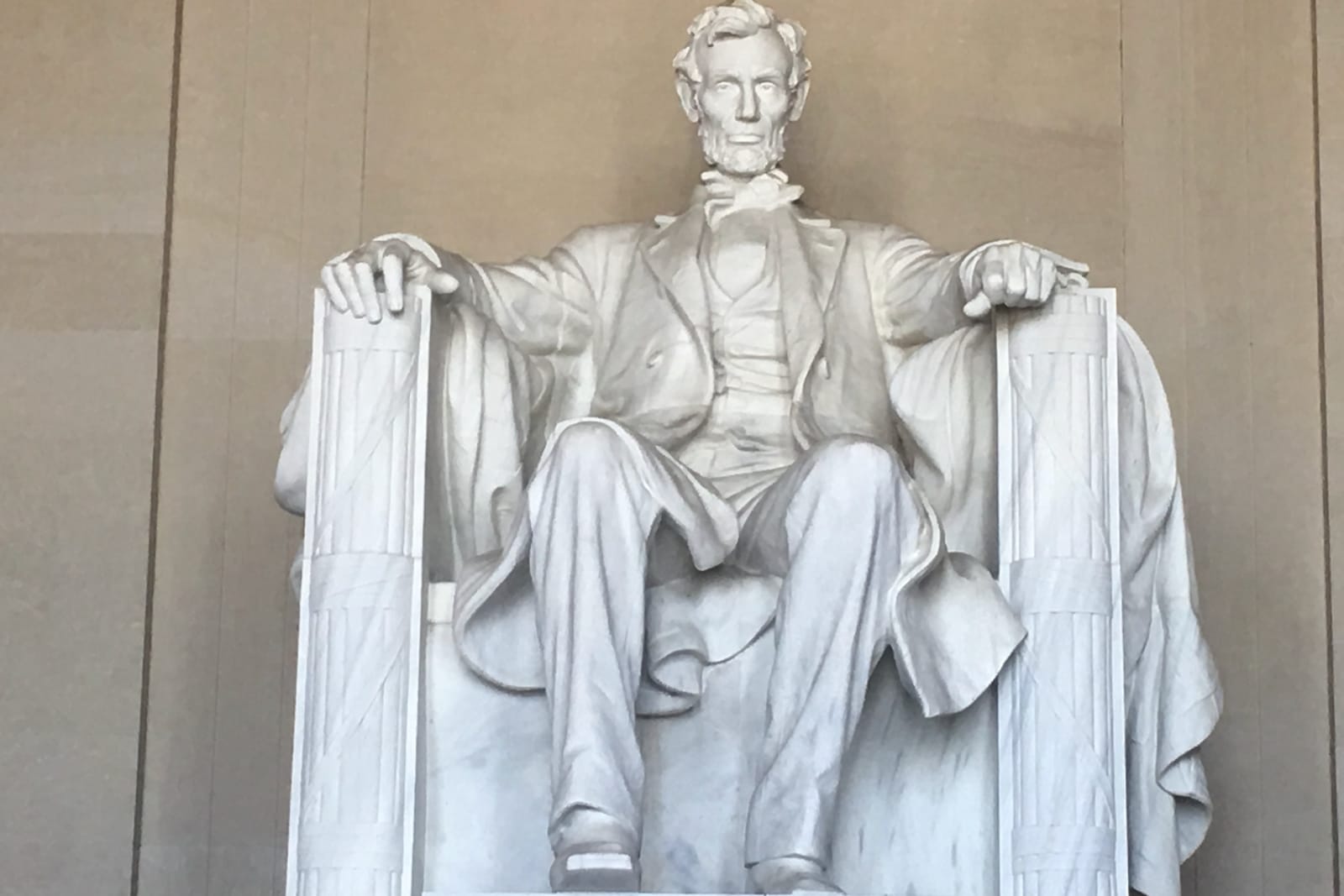
Foggy Bottom, home to George Washington University and the Kennedy Center, puts you closest to the western end of the Mall: the Lincoln Memorial, the Vietnam Veterans Memorial, the Korean War Veterans Memorial, and the World War II Memorial. It is residential and a little quieter than downtown, with its own Metro stop, and it is a natural launch point if Arlington is on your list, since Arlington National Cemetery sits just across the Potomac in Virginia with its own Blue Line Metro stop.
Staying near this end pairs well with a morning trip across the river. The Arlington Cemetery Guided Tour with Changing of the Guard, from $69.99 and about 2 hours, walks you through the cemetery's most significant sites and times your visit to the Changing of the Guard at the Tomb of the Unknown Soldier, which happens every hour (and every half hour in summer). Going with a guide means you are not wandering acres of rolling hills trying to find the key sites on your own.
Capitol Hill and the East End: History at Your Doorstep
On the opposite end, Capitol Hill wraps around the U.S. Capitol and puts you near the eastern Mall, the U.S. Botanic Garden, and the museums on that side. It is a charming, walkable neighborhood of row houses, corner bars, and the Eastern Market food hall, with a more local feel than downtown. You are well placed for the Capitol and the Library of Congress, and you can stroll the length of the Mall westward whenever you want the monuments.
Choose this side if you care more about the Capitol, the Supreme Court, and the eastern museums than about the Lincoln-end memorials, and if you like the idea of returning each evening to a quieter residential pocket.
Getting Around Without a Car
You do not need a car to enjoy the Mall, and parking near it is genuinely difficult, so most visitors skip the rental entirely. The Metro is the backbone: the Smithsonian station is the closest stop to the Mall, and almost every neighborhood above connects to it directly or with one transfer. From there, the museums and monuments are a walk, not a drive.
The Mall is bigger than it looks on a map, though, and two miles end to end means real distance once you add the side trips to each memorial. Comfortable shoes are non-negotiable, and a guided walk can save your feet and your time by stitching the highlights into one efficient loop. When you are mapping out your days, the trip planner can help you slot tours and museum stops around your hotel so you are not crisscrossing the city.
When to Go and What to Book Ahead
Spring (cherry blossom season, late March to early April) and fall are the most comfortable times to visit; summer is hot and crowded but rewards you with the longer Changing of the Guard schedule at Arlington. Whenever you come, a few things reward advance planning.
The Washington Monument, at 555 feet the tallest structure on the Mall, is reached by a timed, ticketed elevator, and those slots go fast, so reserve Washington Monument tickets before you arrive rather than hoping for same-day availability. And because the memorials on the Mall are open 24 hours and lit at night, the after-dark experience is one of DC's quiet highlights: the Lincoln and the World War II Memorial are stirring once the crowds thin. A night memorials walking tour is an easy way to see them glowing without navigating in the dark on your own.
Wherever you land, whether Penn Quarter for walkability, The Wharf for waterfront calm, Foggy Bottom for the Lincoln end, or Capitol Hill for history, the goal is the same: stay close enough that the Mall becomes the natural center of your trip. Pick the neighborhood that matches your pace, book the timed and guided experiences early, and you will spend your days exploring instead of commuting.
Frequently asked questions
What is the closest area to stay near the National Mall?+
Are there hotels directly on the National Mall?+
How do I get from my hotel to the National Mall?+
How long does the Arlington Cemetery tour take?+
Book These Tours
Plan your day in Washington DC
Build a non-overlapping day of monument tours, memorials, and Arlington — then book it all in one checkout.
Open the DC Day Planner →