The Short Answer
The Jefferson Memorial is a domed, columned monument on the south bank of the Tidal Basin in Washington, DC, honoring Thomas Jefferson — the third U.S. president and principal author of the Declaration of Independence. Modeled on the classical architecture Jefferson loved, its open-air rotunda shelters a towering bronze statue of him gazing north across the water toward the White House. It is free to visit, open 24 hours a day, and beautifully lit after dark. If you only have time for the marquee monuments, this is one of the four or five that belong on every first-timer's list.
Where It Sits — and Why That Matters
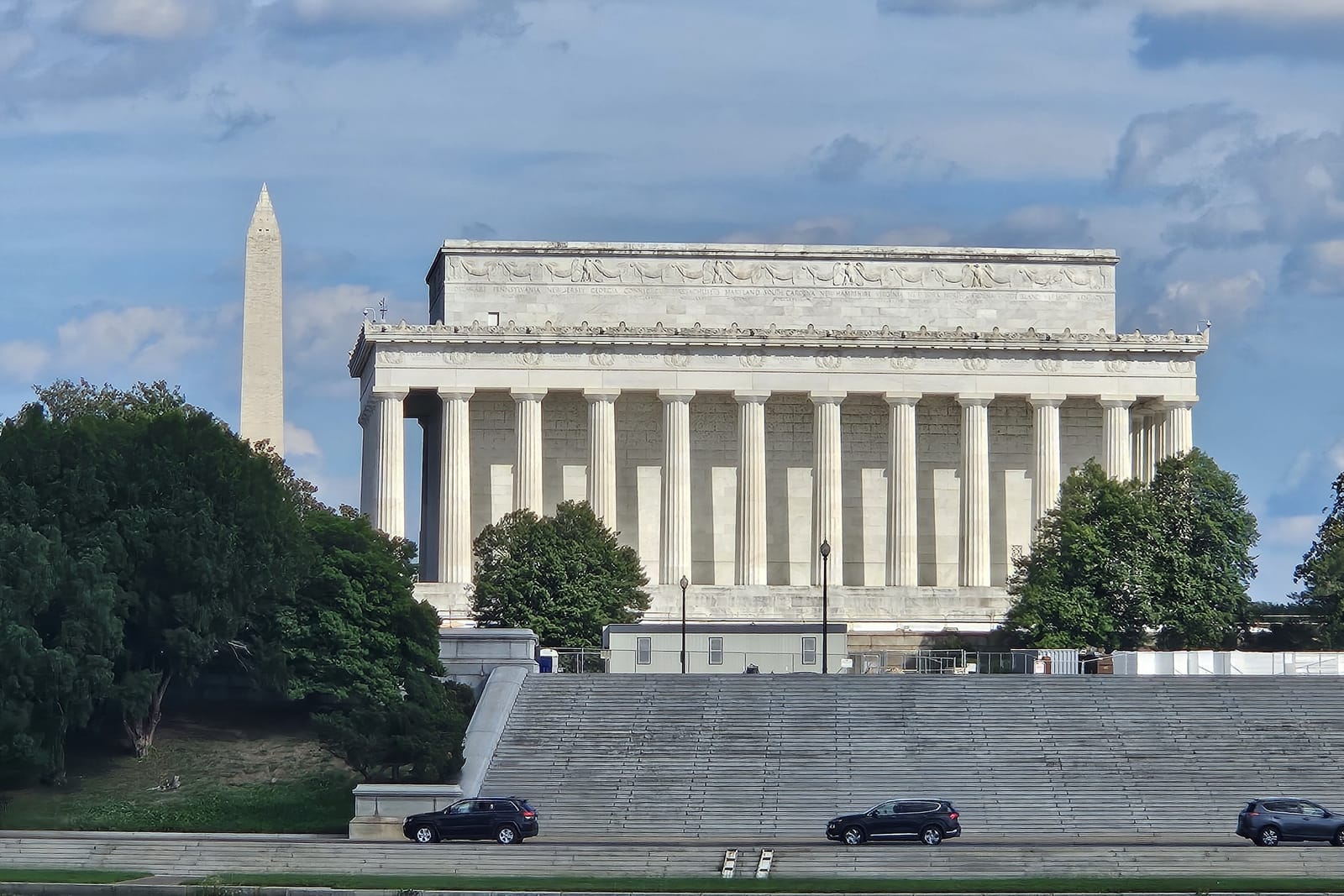
Unlike the Lincoln Memorial or the Washington Monument, the Jefferson Memorial isn't on the main spine of the National Mall. It sits across the Tidal Basin — the man-made inlet just south of the Mall — and that location is exactly what makes it so photogenic: water in the foreground, the dome mirrored on calm mornings, and the Washington Monument framed across the basin. The trade-off is that it takes a little effort to reach on foot, but the walk around the water is one of the loveliest in the city, and you pass other memorials along the way.
The closest Metro stop to the Mall is Smithsonian station, though the Jefferson Memorial is still a walk from there, looping around the Tidal Basin. Give yourself time and wear comfortable shoes — the payoff is approaching the memorial along the waterfront rather than dropping in by car. Rideshare and the seasonal paddle-boat dock are other ways people arrive, but most visitors simply fold it into a walking loop of the monuments and let the route reveal the dome from across the water.
What to See When You Get There
Climb the marble steps and the scale takes over. The centerpiece is the bronze statue of Jefferson standing at the heart of the rotunda, ringed by columns that open to the sky and the water beyond. The shallow dome and circular colonnade nod to the classical buildings Jefferson admired, giving the whole structure an airy, temple-like calm you feel the moment you step inside. The interior walls carry excerpts of his words — passages drawn from the Declaration of Independence and his other writings on liberty, religious freedom, and self-government. Reading them in the round, with the Tidal Basin shining between the columns, is a genuinely moving few minutes even if you didn't come for the history.
Step back to the top of the stairs for the view most people remember: a clean sightline across the water to the Washington Monument and, on the far shore, the White House. Photographers chase this spot at sunrise and sunset; couples and families chase it year-round. There's no ticket and no security line for the memorial itself, and no wrong time of day to visit — though the light is softest early and late.
Cherry Blossom Season at the Tidal Basin
If there's one window when the Jefferson Memorial becomes the most famous view in Washington, it's cherry blossom season. The trees ringing the Tidal Basin typically peak from late March to early April, and the dome rising above the pink canopy is the postcard image of spring in DC. It is also, predictably, the busiest the area gets. Come at dawn if you want the blossoms and the reflection without the crowds, and plan extra time for transit and foot traffic — the whole basin fills up, and the paths closest to the water move slowly.
Bloom timing shifts a little every year with the weather, so if cherry blossoms are the reason for your trip, build some flexibility into your dates and check the season's forecast before you lock plans. Outside that window, the same loop is calm, uncrowded, and arguably more pleasant for actually lingering at the memorial.
Seeing It on a Walking Tour
The Jefferson Memorial rewards a little context. Knowing why Jefferson reached for this neoclassical style, what those wall inscriptions mean, and how the memorial fits into the wider story of the Mall turns a quick photo stop into something you remember. A guide does that work for you and handles the navigation between monuments — which, given the distances around the Tidal Basin, is no small thing on a hot afternoon.
DC Tours runs a Washington DC Memorials Guided Walking Tour from $69.99 that covers the major memorials in about 1.5 hours with a local guide, so you get the stories and the route without juggling a map. If you'd rather see the monuments glowing after dark — when the marble lights up and the crowds thin — the evening memorials walk covers the same landmarks in a completely different mood. Either way, you can map a full day around them with the trip planner.
Best Time to Visit and What to Pair It With
Early morning is the sweet spot: soft light, mirror-calm water, and far fewer people. Late afternoon into sunset is the runner-up, especially if you can linger as the memorial lights come on — the Mall's monuments are open 24 hours and lit at night, so an evening visit isn't only allowed, it's one of the best-kept secrets of a DC trip.
Because it sits a bit removed from the Mall's main row, the Jefferson Memorial pairs best with the other Tidal Basin sites — the Franklin Delano Roosevelt Memorial and the Martin Luther King Jr. Memorial are both an easy stroll along the same waterfront, and you can carry on toward the Lincoln Memorial and the Washington Monument from there. Like the Jefferson Memorial, these neighboring sites are free and open around the clock, so there's nothing to book and no schedule to keep. Tackled as one loop, on foot or with a guide, they add up to the most rewarding few hours on the Mall. Bring water, wear real walking shoes, and don't rush the views across the basin — they're the whole point.
Frequently asked questions
Is the Jefferson Memorial free to visit?+
How do you get to the Jefferson Memorial by Metro?+
When do the cherry blossoms bloom at the Tidal Basin?+
Can you visit the Jefferson Memorial at night?+
Book These Tours
Plan your day in Washington DC
Build a non-overlapping day of monument tours, memorials, and Arlington — then book it all in one checkout.
Open the DC Day Planner →