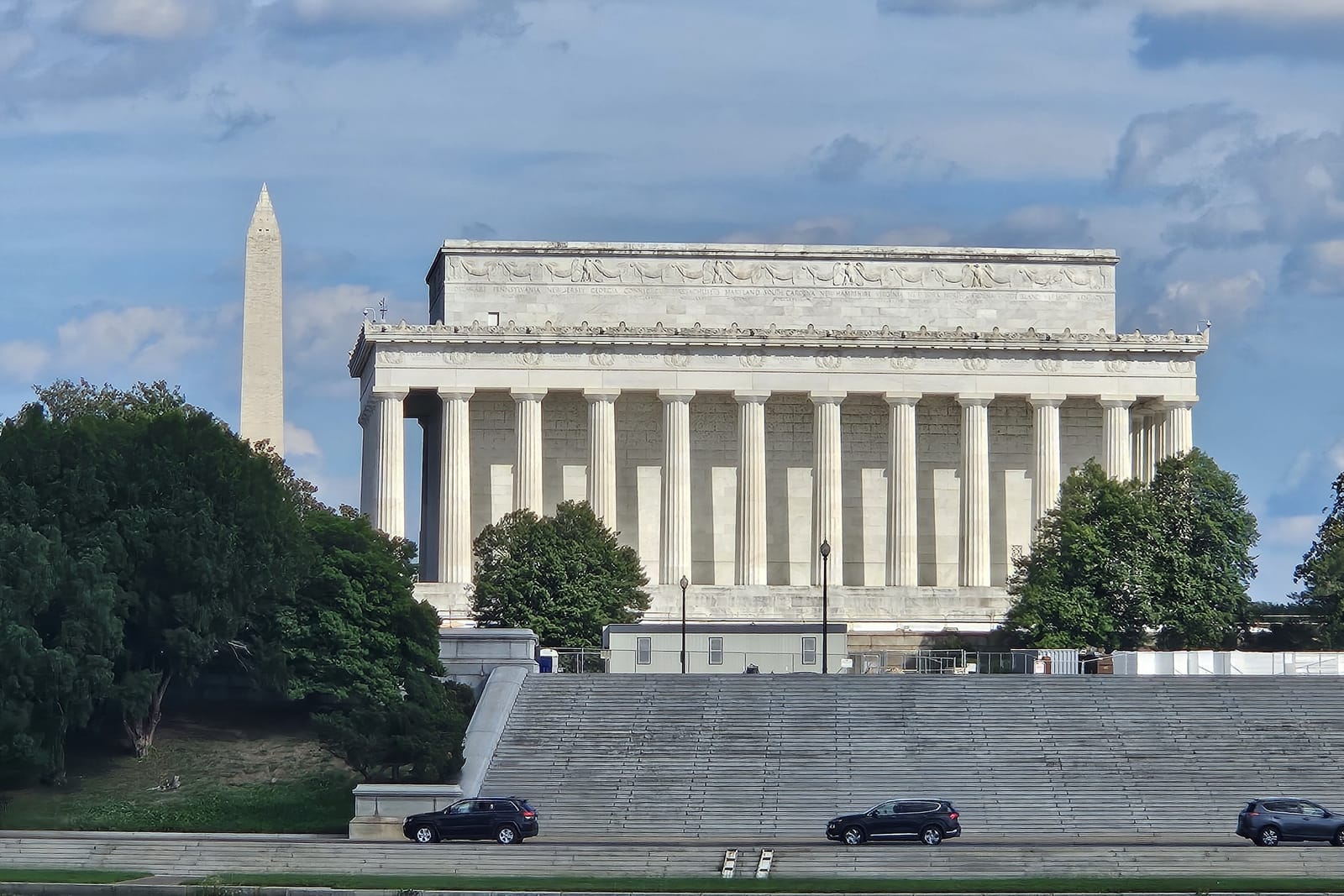
The National Mall is the heart of Washington DC: a roughly two-mile green corridor running from the U.S. Capitol to the Lincoln Memorial that holds the country's most famous memorials and monuments. You can walk the headline sights, the Lincoln Memorial, the Washington Monument, the World War II Memorial, and the Vietnam and Korean War memorials, in a single half-day on foot, and almost everything is free and open to the public. This guide covers what to see, how to plan your route, when to go, and how to make the most of a place that rewards both quick visits and long, reflective ones.
Because the memorials are spread along a wide lawn rather than packed into one building, a little planning goes a long way. Most first-time visitors underestimate the distances: the walk from the Capitol to the Lincoln Memorial is about two miles, and you will easily double that once you loop out to the Tidal Basin and back. If you would rather not stitch the route together yourself, a guided memorials walk (from $69.99, about 1.5 hours) covers the core sites in one efficient loop with a guide who fills in the history you would otherwise read off a plaque. You can also map your own day in advance with our trip planner.
Start at the Lincoln Memorial
The Lincoln Memorial anchors the western end of the Mall and is the natural place to begin or end a visit. Climb the steps to the famous seated statue of Abraham Lincoln, then turn around: from the top you look straight down the Reflecting Pool toward the Washington Monument, one of the most photographed views in the country. This is also where Martin Luther King Jr. delivered his "I Have a Dream" speech, a spot marked by an engraving on the steps. Give yourself time to read the Gettysburg Address and Second Inaugural carved into the side chambers; they are easy to miss and worth the pause.
The War Memorials
Clustered near the Lincoln Memorial are three of the Mall's most moving sites. The Vietnam Veterans Memorial is a long, low wall of black granite etched with the names of the fallen, designed to be walked slowly so each panel sinks in. Just across the path, the Korean War Veterans Memorial sends a file of stainless-steel soldiers advancing through the landscape, especially haunting in fog or low light. A short stroll east brings you to the World War II Memorial, a grand oval of pillars and fountains set between the Lincoln Memorial and the Washington Monument. Together they form a natural walking sequence, which is why most guided routes string them together rather than backtracking.
Around the Tidal Basin
South of the main lawn, the Tidal Basin holds a quieter set of memorials that many visitors skip and later wish they had not. The Thomas Jefferson Memorial sits across the water in a domed rotunda, the Franklin Delano Roosevelt Memorial unfolds as a series of open-air rooms with waterfalls and quotations, and the Martin Luther King Jr. Memorial rises from a carved block of granite. This is also the heart of cherry blossom season: the trees ringing the basin typically peak from late March to early April, drawing big crowds for a week or two of pink canopy. If you visit then, arrive early in the morning to beat both the heat and the foot traffic.
Climbing the Washington Monument
At 555 feet, the Washington Monument is the tallest structure on the Mall and a handy landmark to orient yourself all day, because you can see it from nearly everywhere. Reaching the top means riding a timed, ticketed elevator to the observation level, where small windows look out over the Mall, the White House, the Capitol, and the Potomac. Since entry is by timed ticket, it is worth securing a slot in advance rather than hoping for same-day availability; you can sort out Washington Monument tickets ahead of your visit so the climb fits neatly into your route.
Crossing the River to Arlington
Just across the Potomac in Virginia lies Arlington National Cemetery, a short trip from the Mall and a profoundly different experience from the monuments. The rolling hills of white headstones, the Kennedy gravesite with its eternal flame, and the Tomb of the Unknown Soldier are the highlights. The Changing of the Guard at the Tomb is the must-see ceremony, performed every hour on the hour, and every half hour during summer, with precise, silent ritual. The cemetery is large and hilly, so an Arlington Cemetery tour helps you reach the key sites without a long uphill walk and explains the stories behind them. Arlington also has its own Metro stop on the Blue Line if you prefer to go independently.
When to Go and How to Get Around
Spring and fall offer the most comfortable weather, while summer brings heat, humidity, and the biggest crowds. The Smithsonian Metro station is the closest stop to the center of the Mall, putting you within easy reach of both the monuments and the free Smithsonian museums, which make perfect air-conditioned breaks on a hot day. Wear comfortable shoes, carry water, and budget more time than you think you need: the Mall is bigger and more spread out than maps suggest. A focused guided walk is one of the easiest ways to hit the essentials without losing the whole day to logistics.
See the Memorials After Dark
If you have time for only one impression of the Mall, make it the memorials at night. They stay open 24 hours and are dramatically lit after sunset, when the crowds thin, the marble glows, and the city lights reflect off the water. The Lincoln, Vietnam, and Korean War memorials are especially powerful in the dark, quiet and almost private compared with midday. A night memorials walking tour with skyline views (from $59.99, about 2 hours) is the easiest way to experience them safely and learn the stories as you walk. However you do it, an evening visit is the memory most travelers carry home from Washington.
Frequently asked questions
How long do you need to see the National Mall memorials?+
Are the National Mall memorials free to visit?+
What is the best time to see the monuments in DC?+
How do you get to the National Mall and Arlington by Metro?+
Book These Tours
Plan your day in Washington DC
Build a non-overlapping day of monument tours, memorials, and Arlington — then book it all in one checkout.
Open the DC Day Planner →