Here's the short answer: Washington's cherry blossoms usually reach peak bloom sometime between the last week of March and the first week of April, and the place to see them is the Tidal Basin, the tear-shaped inlet just south of the National Mall where thousands of cherry trees ring the water. Peak is gorgeous and brief — the full, frothy pink only holds for a handful of days, and a warm spell or a late cold snap can slide the whole show a week in either direction. So the real trick to a cherry blossom trip isn't pinning down the perfect date; it's staying flexible, watching the forecast, and knowing exactly where to stand when the trees finally pop.
Nobody can promise you peak bloom months in advance. The National Park Service tracks the buds along the Tidal Basin and tightens its forecast as spring approaches, but the date moves every year with the weather. A warm February can pull the bloom early; a cold, gray March can hold it back. The National Cherry Blossom Festival hedges against all that by running for several weeks across late March and April, so even if you arrive a few days early or late, there's almost always something blooming and plenty happening around town. If you can, build a two- or three-day window into your plans rather than betting the whole trip on one afternoon, and check the latest forecast as your dates get close.
The Tidal Basin Is the Main Event
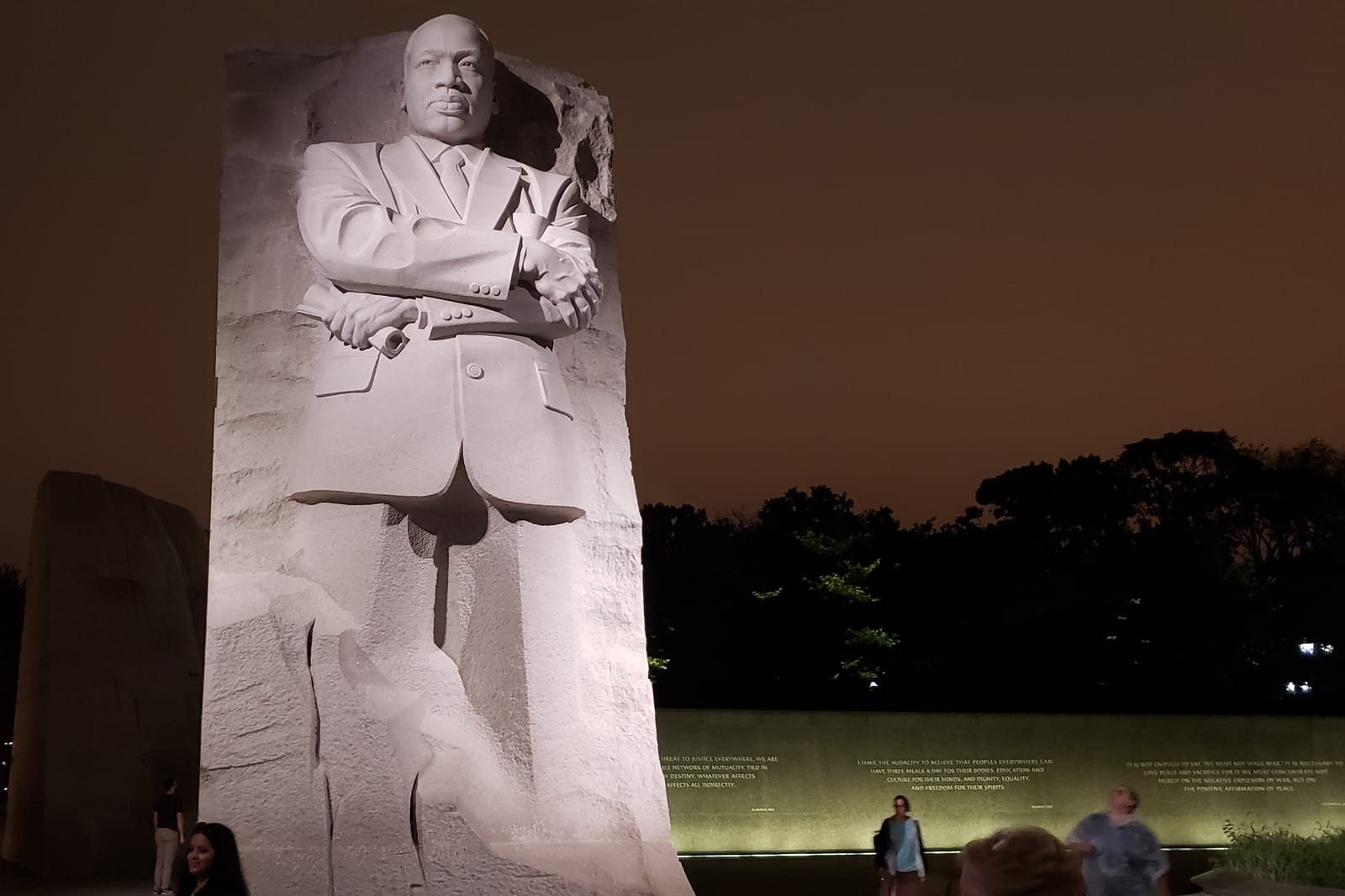
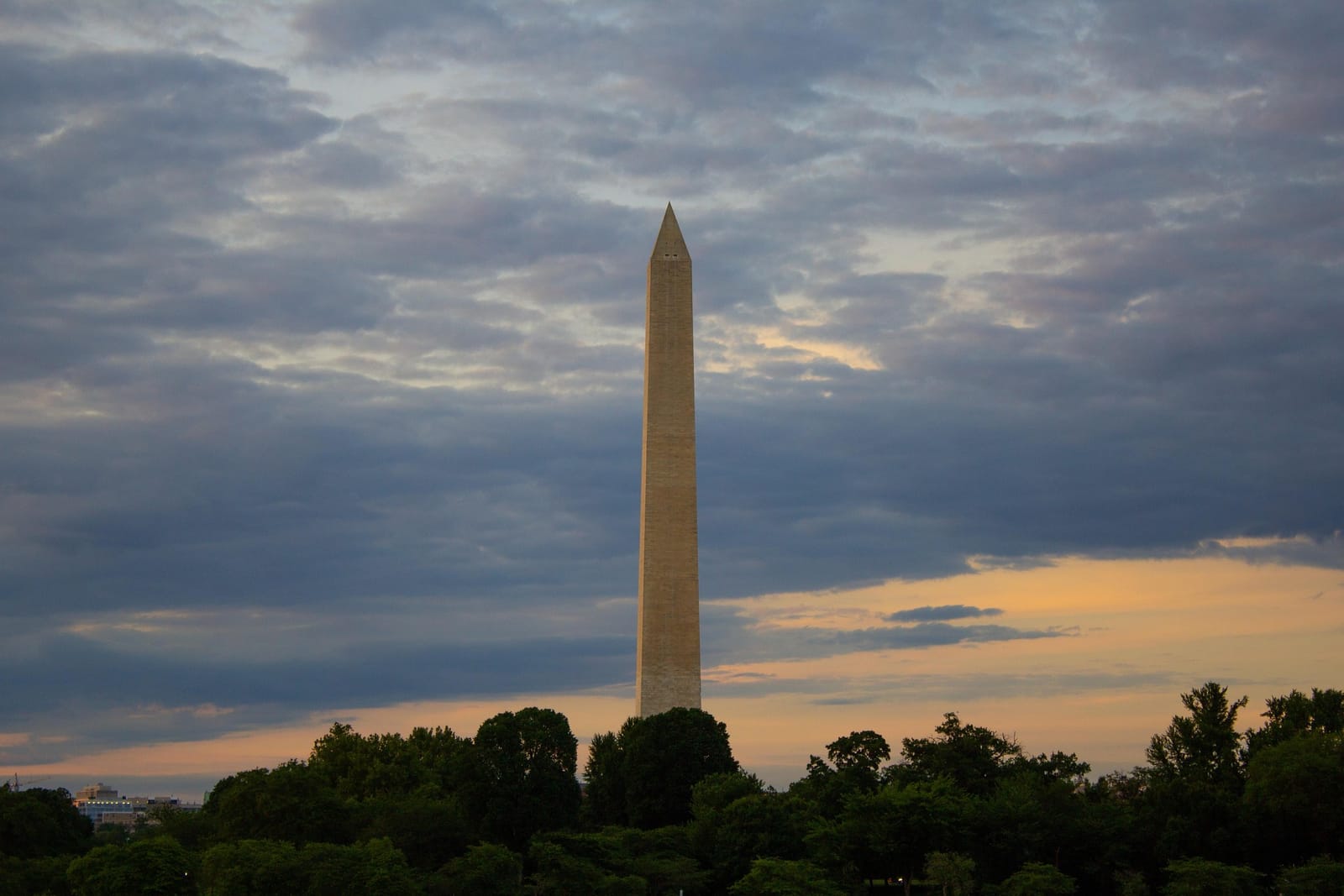
The Tidal Basin is cherry-blossom ground zero, and for good reason. The original trees were a 1912 gift from Japan, planted right here so they'd mirror in the water beside three of the city's most photographed memorials. Walk the waterside loop and you'll pass the Jefferson Memorial framed in pink on the south shore, the Franklin Delano Roosevelt Memorial tucked into the trees along the west side, and the Martin Luther King Jr. Memorial on the north, its stone figure emerging from a screen of blossoms. The Washington Monument rises over all of it, and the postcard shot — pink branches in the foreground, the obelisk behind — is taken from the basin's northwest edge.
Where to Go When the Tidal Basin Is Packed
On a sunny peak-bloom weekend, the Tidal Basin path gets genuinely crowded — shoulder to shoulder in the tightest stretches near the Jefferson Memorial. The local move is to keep walking south into East Potomac Park, the long finger of land that runs out to Hains Point. It's planted with cherries too, including some later-blooming varieties, so you can usually find open lawn and an unobstructed waterline long after the main basin fills up. The Washington Monument grounds and the stretches along the Mall carry blossoming trees as well, so you're never far from a quieter frame.
Go at Dawn, Seriously
If you take one piece of advice from this guide, make it this: get to the Tidal Basin at sunrise. The memorials never close and the basin has no gate, so early morning is free, uncrowded, and softly lit. The water sits still, the tour buses haven't arrived, and you can actually photograph the Jefferson Memorial without a hundred people in the frame. Weekday mornings are calmer than weekends, and the light in the first hour after sunrise is the best you'll get all day. Pack a light layer, too — spring mornings by the water run cold even when the afternoon turns mild. By mid-morning on a peak weekend, both the crowds and the parking turn difficult, so the people who beat them are simply the ones who set an alarm.
Getting There (and Why You Should Skip the Car)
Parking around the Tidal Basin during peak bloom ranges from frustrating to impossible, so don't drive if you can avoid it. The Metro's Smithsonian station is the closest stop to the Mall and leaves you a short walk north of the water. From there it's a flat, easy stroll past the Washington Monument down to the basin. If you're staying downtown, walking the whole way is often faster than circling for a space, and it lets you fold the blossoms into a larger morning on the Mall. When you want help shaping that morning, the trip planner is a good place to start.
Make It More Than a Photo Stop
The blossoms are the headline, but the Tidal Basin sits at the doorstep of the country's most concentrated cluster of memorials, so it's worth turning a flower walk into a proper morning. A guided memorials walking tour (from $69.99, about 1.5 hours) links the great Mall memorials with the context that turns marble into stories, and in spring much of the route runs under blossoming trees. For the view that puts the whole pink basin in perspective, skip-the-line Washington Monument tickets (from $24, about 1 hour, and they come with a guidebook) send you 555 feet up by timed elevator, where the cherry trees ring the water far below and the Mall stretches east toward the Capitol.
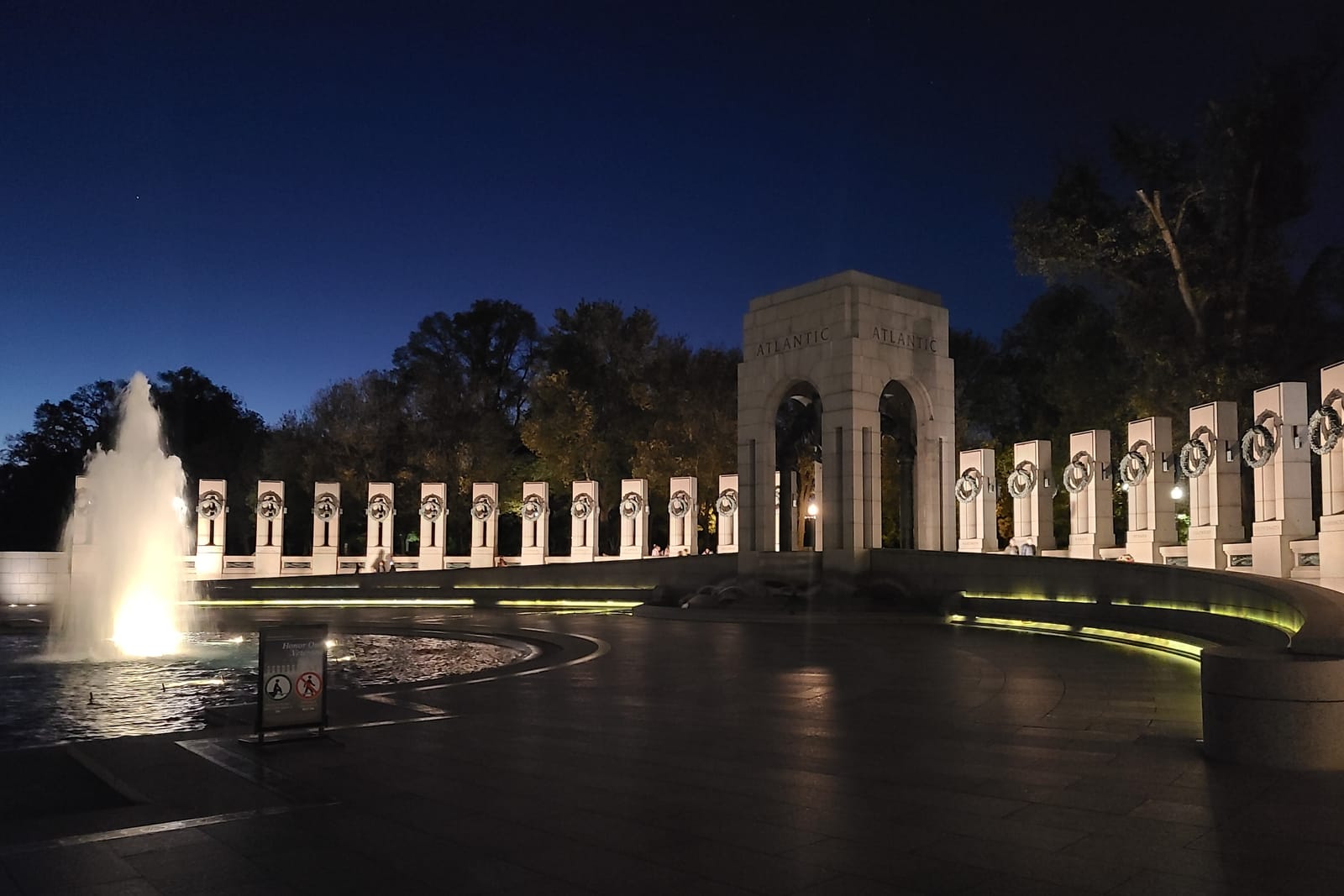
And don't pack it in at dusk. The Mall's memorials are open 24 hours and lit after dark, which makes the blossoms genuinely magical at night — floodlit pink reflected in black water, with a fraction of the daytime crowd. The Jefferson Memorial glowing across the basin is one of the city's great after-dark views, blossoms or not. A night memorials walking tour is the easiest way to see the monuments lit up after sunset, and during bloom season the trees come along for free.
If You Miss Peak Bloom
Spring in Washington has a deep bench, so a missed peak is no disaster. The Smithsonian museums lining the Mall are free year-round and make a perfect rainy-day or chilly-afternoon backup. Across the Potomac in Virginia, Arlington National Cemetery is at its greenest in spring; the Changing of the Guard at the Tomb of the Unknown Soldier happens every hour — and every half hour in summer — and a guided Arlington Cemetery tour covers far more of its sprawling grounds than you'd reach on foot. Even after the main basin fades, the later-blooming trees out at East Potomac Park can keep the color going an extra week or two.
A Cherry Blossom Morning, Start to Finish
Here's how a great blossom morning actually runs. Arrive at the Tidal Basin by sunrise and walk the loop counterclockwise — Jefferson first, while the water's glassy, then around past the FDR and MLK memorials. Grab coffee before you come, since food at the basin is thin. By mid-morning, head up the Washington Monument for the aerial view, then carry on west into the memorials as the day warms. Save one more pass by the water for late afternoon, when the light goes gold again, and if you've still got the energy, come back after dark for the lit, near-empty version that most visitors never see.
Frequently asked questions
When do the cherry blossoms peak in Washington DC?+
Where is the best place to see cherry blossoms in DC?+
What's the best time of day to see the cherry blossoms?+
Can you see the cherry blossoms at night?+
Book These Tours
Plan your day in Washington DC
Build a non-overlapping day of monument tours, memorials, and Arlington — then book it all in one checkout.
Open the DC Day Planner →