The short answer: get to the National Mall on the Metro, then explore it on foot. Washington DC's most famous sights, the monuments, the memorials, and the free Smithsonian museums, sit clustered along a two-mile green corridor that's best seen by walking. The Metro carries you in from your hotel or the airport and drops you a block or two away, and from there your own two feet do the rest. You almost never need a car or a taxi to see the core of the city, and parking near the Mall is scarce and expensive anyway.
This guide lays out how the pieces fit together: which Metro stop to aim for, how far the walking really is, and how to reach Arlington National Cemetery across the river, so you can plan a first visit without second-guessing every leg of the trip.
Start With the Metro to Reach the Mall
The Washington Metro is clean, fast, and built for visitors. Trains are color-coded by line, and you tap a reloadable SmarTrip card or a phone wallet at the gate to enter and exit. For the National Mall, aim for Smithsonian, the closest stop, which puts you out right between the Washington Monument and the Smithsonian museums. Depending on which end you want to start from, L'Enfant Plaza, Federal Triangle, and Federal Center SW are also within an easy walk.
A few notes that save first-timers some grief: keep your fare card handy, because you tap both on the way in and on the way out; stand to the right on escalators so walkers can pass on the left; and avoid rush hour with luggage if you can. Trains run often enough that you rarely wait long, and the system map is refreshingly simple once you match your destination to a color.
Walking the National Mall
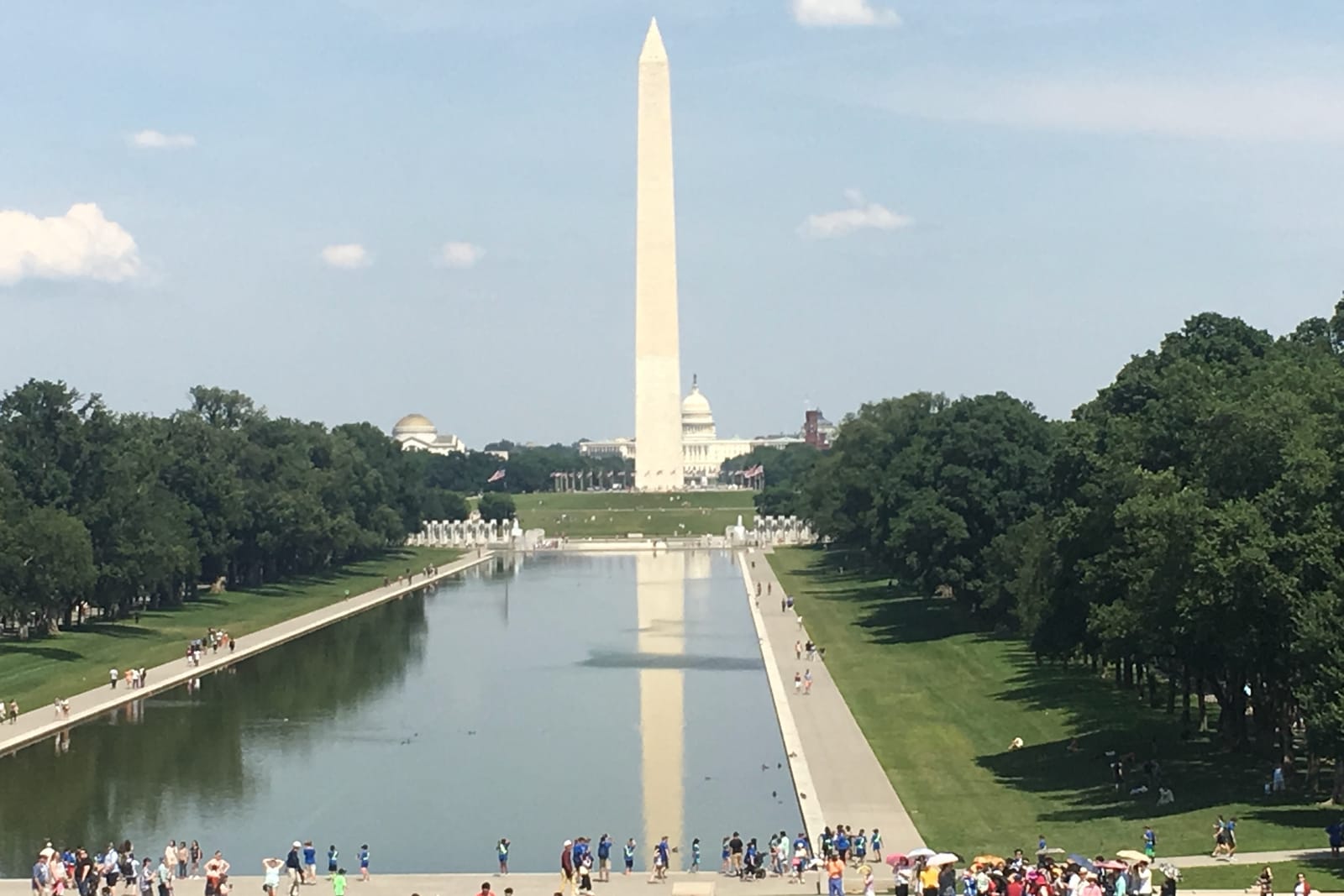
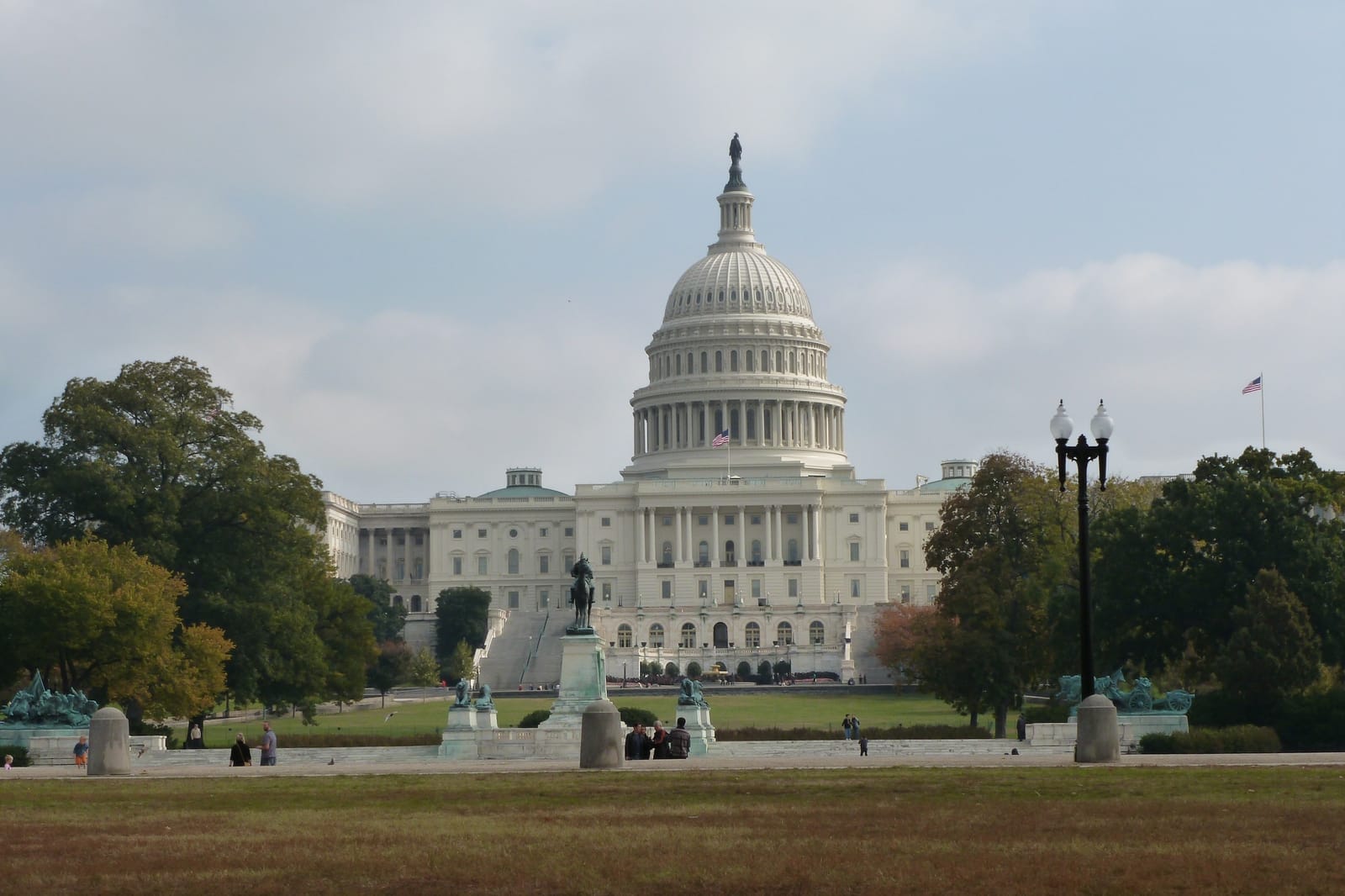
Here's what most maps undersell: the Mall is bigger than it looks in photos. It runs about two miles from the U.S. Capitol at one end to the Lincoln Memorial at the other, and the open lawns make distances deceiving, that monument that looks 'right there' can be a 20-minute walk away. Wear real walking shoes, carry water, and pace yourself.
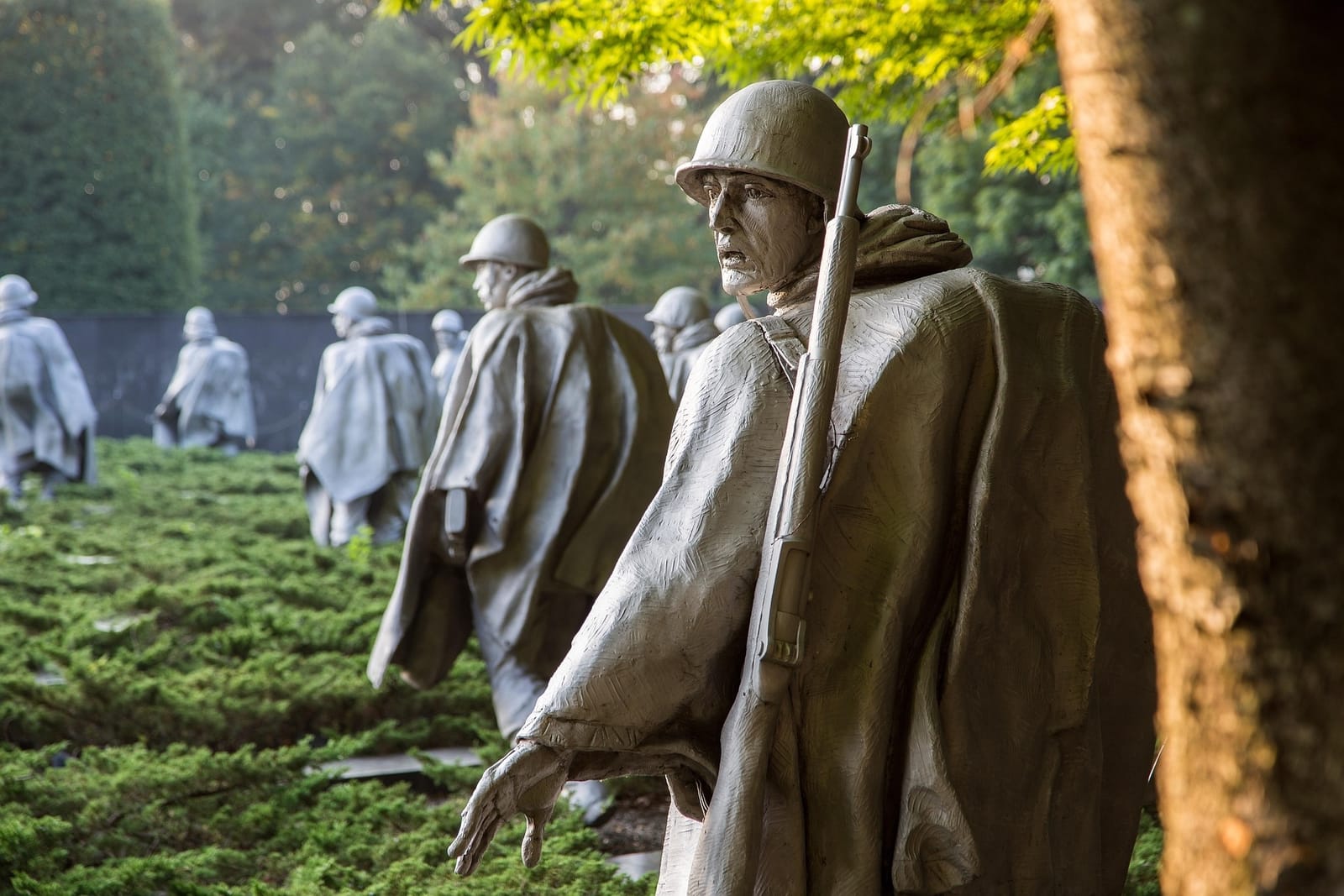
The payoff is that walking is genuinely the best way to experience this stretch. You move from the Washington Monument to the World War II Memorial, along the Reflecting Pool to the Lincoln Memorial, then over to the Vietnam Veterans Memorial, the Korean War Veterans Memorial, the Martin Luther King Jr. Memorial, and the FDR Memorial around the Tidal Basin, all on foot, all free to visit. If you'd rather not piece it together yourself, a guided memorials walk (from $69.99, about 1.5 hours) connects the major sites with the stories behind them, so you understand what you're looking at instead of just photographing it. It's an efficient way to cover the highlights without backtracking.
One add-on worth planning ahead for: the Washington Monument, 555 feet tall, is reached by a timed ticketed elevator to the observation level, and those tickets are limited. If a view over the city is on your list, sort out Washington Monument tickets in advance rather than hoping for same-day availability.
Getting to Arlington National Cemetery
Arlington National Cemetery sits across the Potomac River in Virginia, and it has its own Metro stop, Arlington Cemetery on the Blue Line, so getting there is straightforward even though it feels like a separate trip. From the Mall you can ride a couple of stops and be at the cemetery gates without reworking your whole plan.
Arlington rewards a bit of structure, because the grounds are large, hilly, and emotionally weighty. The highlight for most visitors is the Changing of the Guard at the Tomb of the Unknown Soldier, a precise, solemn ceremony that takes place every hour, and every half hour in summer. A guided Arlington Cemetery tour (from $69.99, about 2 hours) is timed around that ceremony and walks you to the key sites, including the Kennedy gravesites and the Tomb, so you're in the right place at the right moment instead of guessing the schedule and the route across a very big property.
Seeing the Memorials at Night
Don't pack it all into daylight. The memorials on the Mall are open 24 hours and lit at night, and many travelers say the evening is when the city is at its most moving, fewer crowds, cooler air, and the marble glowing against a dark sky. The Lincoln Memorial, the Korean War Veterans Memorial, and the World War II Memorial are especially striking after dark.
Because the Mall is so open and the lighting between sites varies, an after-dark visit is one case where a little guidance helps. A night memorials walking tour takes you to the most photogenic stops in a sensible order and keeps the group together, which is reassuring once the daytime crowds thin out. Either way, the Smithsonian station and nearby stops still run into the evening, so you can ride in for a night walk and ride back without driving.
Timing Your Visit: Cherry Blossom Season
If you have flexibility, late March to early April is the famous window, cherry blossoms typically peak around the Tidal Basin then, framing the Jefferson Memorial and the FDR Memorial in pink. It's gorgeous, and it's also the busiest stretch of the year, so expect packed trains, full sidewalks around the Tidal Basin, and sold-out timed tickets. If you come during peak bloom, lean even harder on the Metro, start early, and book any guided walks ahead so you're not competing for same-day spots.
Outside that window, spring and fall generally offer the most comfortable walking weather. Summer is hot and humid but has the bonus of the half-hourly Changing of the Guard at Arlington, and winter is quiet, cold, and uncrowded if you don't mind bundling up between memorials.
A Simple First-Timer's Plan
Put it together and a clean first visit looks like this: take the Metro to Smithsonian in the morning, walk the western half of the Mall from the Washington Monument down to the Lincoln Memorial, and let a guided walk handle the storytelling so you're not just reading plaques. After lunch, ride the Blue Line to Arlington Cemetery for the Changing of the Guard, then come back across the river. Save one evening for the lit memorials.
You can map the rest, museums, dining, neighborhoods beyond the Mall, around that spine. Browse the full lineup of Washington DC tours to slot guided walks into your days, or use the trip planner to sketch an itinerary that matches your pace. Lead with the Metro, build the day around walking, and Washington DC turns out to be one of the easiest major cities in the country to get around.
Frequently asked questions
What's the closest Metro stop to the National Mall?+
How long does the Arlington Cemetery tour take?+
Can you walk the whole National Mall?+
Are the DC memorials open at night?+
Book These Tours
Plan your day in Washington DC
Build a non-overlapping day of monument tours, memorials, and Arlington — then book it all in one checkout.
Open the DC Day Planner →